Pages

Monday, July 31, 2023

Inflammation: A Raging Fire in Your Body

Inflammation: it’s a word that carries with it images of swelling, redness, and discomfort. But what does it truly mean for our bodies and overall well-being? Fundamentally, inflammation is the body’s natural response to injury or illness—a protective measure aimed at healing. However, when inflammation becomes chronic, it transforms from a helpful ally into a destructive adversary, potentially leading to various health complications including heart disease, cancer, and autoimmune disorders.

This guide delves into the intricacies of inflammation—what causes it, the telltale symptoms, methods of diagnosis, and, crucially, ways to manage and prevent it. By understanding the true nature of inflammation, you can equip yourself with the knowledge to make informed decisions for your health and longevity.

What is Inflammation?

Imagine your body as a fortress, always ready to defend itself against invaders. When enemies approach, your defenses spring into action. In the context of our bodies, this defensive reaction is what we call inflammation.

At its core, inflammation is our body’s response to a harmful or irritating situation, substance, or condition. In simpler terms, it’s how your body reacts when something’s not right, a sign that it’s fighting to maintain balance and well-being.

Whether it’s a twisted ankle, an invasion by harmful bacteria, or a thorn prick on your finger, inflammation is your body’s way of saying, “Hey, we have a problem here! Let’s fix this!”

This process can be visualized as a chain reaction. Upon detecting something harmful or out of place, the affected cells send out alarm signals, which are received by your immune system. The immune system then recruits white blood cells and proteins to the site of injury or infection. These defenders work diligently to protect and repair the area, causing the characteristic signs of inflammation – redness, swelling, heat, and sometimes pain and loss of function.

In essence, inflammation is your body’s protective shield, its first line of defense against a wide array of issues. But like any good defense mechanism, it needs to be managed and understood properly for it to be truly beneficial. And that’s what we’ll explore further in this article.

Acute and Chronic Forms of Inflammation

Just like there are various kinds of intruders and attacks, our body has different types of responses. Inflammation, too, comes in two primary forms – acute and chronic.

Acute Inflammation

Acute inflammation is your body’s immediate response to an injury or infection. Picture it as an emergency dispatch call that mobilizes your body’s internal armed forces – white blood cells, cytokines, leukotrienes, and more. These soldiers rush to the site of harm with the aim of repairing and restoring the injured regions.

This sudden response is typically short-lived, subsiding once the healing is completed. It’s a temporary state of high alert, geared towards quickly resolving the problem and restoring function.

Acute inflammation often presents itself through four cardinal signs: redness, pain, heat, and swelling. These signs indicate that your body is actively trying to heal itself. So, the next time you see a swollen, red bump after a mosquito bite or feel the heat and tenderness around a wound, know that it’s your body’s acute inflammatory response in action.

Chronic Inflammation

While acute inflammation is a brief, intense reaction, chronic inflammation is a slower, longer-lasting process. Instead of a quick dispatch call, think of it as a long-drawn-out conflict that creates continuous disturbances in many bodily functions.

Chronic inflammation can stem from various factors, including persistent infections, prolonged exposure to irritants, or even a malfunctioning immune system. This malfunction, called autoimmune reactions, can cause the body to mistakenly attack its own healthy tissues, leading to an array of diseases.

The conditions that can arise from chronic inflammation are diverse, affecting various parts of the body. They range from arthritis, thyroid disease, and multiple sclerosis, to more severe conditions like lupus (SLE), psoriasis, celiac disease, inflammatory bowel diseases like Crohn’s and ulcerative colitis, diabetes, heart disease, and even cancer.

Recognizing these two types of inflammation – acute and chronic – is an essential step towards understanding and managing your health effectively. They are two sides of the same coin, both protective mechanisms, but with different durations, intensities, and potential long-term effects on your health.

Causes of Inflammation

Understanding the triggers of inflammation is crucial to managing it effectively. Causes can be as diverse as our everyday habits to sudden, unexpected events. They can lead to both acute and chronic forms of inflammation, shaping our overall health. Let’s delve into some of the typical causes:

Acute Inflammation Triggers

Acute inflammation often occurs due to sudden and unexpected injuries. It’s like an emergency alert system that your body sets off in response to:

  • Physical Trauma: This can include falls, collisions, cuts, wounds, surgical procedures, or any physical injury.
  • Emotional Distress: Horrifying or violent scenes, sudden emotional stress, or fear for one’s life can trigger an inflammatory response.
  • Overindulgence: This can be an excess of food, alcohol, drugs, or smoking.
  • Lack of Sleep: Not getting enough sleep can put your body under stress and trigger inflammation.
  • Exposure to Toxins: Toxic or foreign materials such as pesticides, artificial foods, PFAS, radiation from unnatural sources like cell phones, microwave towers, and “smart” devices can trigger an inflammatory response.

Chronic Inflammation Triggers

While acute inflammation is an immediate response to an injury or infection, chronic inflammation often results from long-term or repetitive exposure to stressors. Some of the typical causes include:

  • Repetitive Stress or Injury: This includes high-impact work such as prolonged military operations, competitive athletics, and other physically demanding activities.
  • Chronic Stress: The constant stress of a situation at home or work is a common cause of chronic inflammation.
  • Poor Nutrition: This includes high sugar intake, high fructose corn syrup, trans fats, processed foods, dairy, meat, poultry (high in omega 6), and many seed oils including sunflower, safflower, soybean, corn, canola, and grapeseed.
  • Imbalanced Diet: An imbalance in the omega 6:3 ratio can trigger inflammation. The ideal ratio is 1-2:1, but many people consume a ratio of 20:1.
  • Low Fiber Intake: A diet low in fiber can lead to inflammation.
  • Sedentary Lifestyle: Inactivity and sitting in front of a computer or other device for long periods daily can contribute to chronic inflammation.

Other Triggers

Additionally, certain medications, some supplements, and poor eating habits can also lead to inflammation. While medications and supplements are sometimes necessary for managing health conditions, it’s important to be aware of their potential side effects and to use them judiciously.

Remember, understanding the cause is the first step to prevention and treatment. Identifying and modifying these triggers can significantly reduce your body’s inflammatory response and improve your overall health.

Symptoms of Inflammation

Inflammation, whether acute or chronic, produces certain signs and symptoms that our body communicates to us. These symptoms can vary in intensity and may not always be easy to pinpoint directly to inflammation, as they can mimic those of other health conditions. Nonetheless, if you’re experiencing one or multiple of the following symptoms, your body may be telling you it’s dealing with inflammation:

  • Muscle and Joint Pain: This is one of the most common symptoms of inflammation. It can manifest as a generalized discomfort or a localized pain in certain areas.
  • Fatigue: Chronic inflammation can cause feelings of tiredness or a lack of energy, impacting your overall wellbeing.
  • Puffy Bags Under Eyes: Persistent puffiness or bags under your eyes can be a sign of inflammation in the body.
  • Gum Diseases: Inflammatory responses can result in periodontal diseases, leading to symptoms like swollen, red, or bleeding gums.
  • Skin Conditions: Inflammatory skin conditions, such as eczema, rashes, blotches, and psoriasis, can be outward manifestations of internal inflammation.
  • Weakness, Numbness, Tingling: These could be signs of systemic inflammation, especially when these symptoms are persistent and unexplained.
  • Limited Range of Motion: Inflammation in joints and tissues can limit your mobility, leading to stiffness or difficulty moving certain body parts.

More severe symptoms may also include:

  • Gastrointestinal Distress: Symptoms such as gas, bloating, gastroesophageal reflux disease (GERD), diarrhea, constipation, irritable bowel syndrome (IBS), and dysbiosis can indicate inflammation in your digestive system.
  • Frequent Infections: If you’re falling sick often, it might be a sign that chronic inflammation is impacting your immune system.
  • Erectile Dysfunction: Chronic inflammation can also contribute to erectile dysfunction.
  • Lack of Interest in Pleasure: If you’re losing interest in activities you once enjoyed, it could be a sign of chronic inflammation affecting your mental health.
  • Weight Gain: Particularly around the abdomen or gut, can be linked to systemic inflammation.
  • Mood Disorders: Inflammation may play a role in depression, anxiety, and other mood disorders.

These symptoms can sometimes be subtle and easy to dismiss. However, it’s essential to listen to your body’s signals and seek medical advice if you notice persistent or troubling symptoms. A healthcare professional can help determine whether inflammation is the cause and guide you on the right path to manage it.

How Inflammation is Diagnosed

Recognizing the symptoms of inflammation is one thing, but getting a definitive diagnosis often requires more in-depth analysis and tests. Here’s how healthcare professionals typically diagnose inflammation:

History, Physical & Mental Exam

The first step usually involves a thorough evaluation of your medical history and a physical exam. Your doctor will ask you about your symptoms, lifestyle habits, and any known medical conditions. They will also conduct a physical examination to check for visible signs of inflammation, such as redness, swelling, or warmth.

A mental health assessment might also be conducted. Given the possible connection between inflammation and mood disorders, understanding your mental health status can provide important insights.

Blood Testing

Blood tests are common tools for diagnosing inflammation. They can reveal specific markers that indicate the presence and level of inflammation in your body. Some commonly used blood tests include:

  • ESR (Erythrocyte Sedimentation Rate): This test measures how fast red blood cells settle at the bottom of a test tube. A faster rate might indicate inflammation in your body.
  • CRP (C-Reactive Protein): This protein increases in your blood when there’s inflammation. A high CRP level can indicate acute inflammation or an infection.
  • SPEP (Serum Protein Electrophoresis): This test measures specific proteins in your blood, helping identify any abnormal proteins that might indicate inflammation or other conditions.
  • Blood Viscosity: This test measures the thickness and stickiness of your blood, which can increase due to inflammation.
  • Fibrinogen: This protein, which helps blood clot, can increase in response to inflammation. A high fibrinogen level may suggest an inflammatory condition.

Imaging and Other Tests

In some cases, additional tests may be needed to locate the inflammation or assess its severity. These might include X-rays or MRIs, which can reveal inflammation in joints and other tissues. For gastrointestinal issues, endoscopies might be used to directly visualize the internal structures and assess the level of inflammation.

Diagnosing inflammation is not always straightforward, given the wide range of symptoms and causes. However, with a comprehensive approach that includes medical history, physical examination, and appropriate tests, healthcare professionals can accurately diagnose inflammation and suggest the most effective treatment options.

Prevention of Inflammation

While inflammation is a natural response by our bodies to ward off harmful invaders or heal injuries, prolonged inflammation can be detrimental to our health. Fortunately, there are several strategies you can implement to prevent unnecessary inflammation. These preventative measures focus primarily on lifestyle modifications and dietary changes.

Things to Avoid to Stop Provoking Inflammation

Certain substances and behaviors are known to provoke inflammation. Minimizing or avoiding these can significantly reduce your risk:

  • Toxic Materials: This includes exposure to harmful chemicals or radiation, both of which can trigger inflammatory responses.
  • Dietary Triggers: High intake of sugar, alcohol, and processed foods, especially those containing white flour (like bread, pasta, cake, cookies), candies, chips, and soda, can trigger inflammation. Additionally, be cautious with products labeled “No Sugar” or “Sugar-Free,” as they often contain artificial sweeteners that can also provoke inflammation.
  • Smoking: Cigarette smoke contains a multitude of toxins that can lead to inflammation.
  • Negative Energies: Surround yourself with positive energies and people, as stress and negative emotional states can stimulate an inflammatory response.

Caution: Be aware of the potential inflammatory side effects of any pharmaceuticals you’re using. Always consult with your healthcare provider and understand the pros and cons before using any medication.

Things to Do to Reduce Inflammation

Embracing healthier habits and adjusting your diet can greatly help in reducing inflammation:

  • Probiotics and Prebiotics: Feed your gut health with prebiotics such as flax, chia, artichokes, avocados, foods from the allium family (onions, garlic, leeks, shallots), oats, barley, apples, bananas, and berries. Include probiotic-rich fermented foods like miso, tempeh, kimchi, sauerkraut, kombucha, and pickled veggies.
  • MCT Oils: Consuming a few teaspoons of MCT oils like coconut oil can help manage inflammation.
  • Exercise: Regular physical activity, even in small intervals throughout the day, can help regulate inflammatory responses.
  • Sleep: A good night’s sleep is crucial for overall health, including keeping inflammation in check.
  • Sunlight: Sun exposure, especially between 10 am and 2 pm, can provide your body with vitamin D, a nutrient that plays a role in reducing inflammation.
  • Fun and Recreation: Engage in activities that you enjoy and that make you laugh. Positive emotional states are linked to lower levels of inflammation.

Remember, these are general guidelines and individual needs may vary. Always consult with a healthcare professional to find out what’s best for your specific situation.

Anti-Inflammatory Foods

In addition to the lifestyle and dietary measures mentioned above, certain foods are well-known for their anti-inflammatory properties. Including these in your regular diet can help mitigate inflammation and promote overall health:

  • Cruciferous Vegetables: Such as broccoli, Brussels sprouts, cabbage, kale, and collard greens, are nutrient-dense and packed with antioxidants.
  • Berries: Rich in anthocyanins, a type of antioxidant with potent anti-inflammatory effects.
  • Apples: Packed with quercetin, a plant pigment that helps regulate inflammation.
  • Onions: Provide a double whammy with quercetin and sulfur compounds, both known for their anti-inflammatory properties.
  • Papaya: Contains papain, an enzyme that can reduce inflammation.
  • Cacao and Unsweetened Dark Chocolate: Besides being a treat to your palate, these provide a good dose of magnesium, a mineral known for its anti-inflammatory benefits.
  • Olives: High in monounsaturated fats, particularly Omega-7 (oleic acid) and packed with inflammation-fighting antioxidants.
  • Macadamia Nuts: These, as well as other fatty nuts like cashews, almonds, walnuts, hazelnuts, Brazil nuts, and pistachios, are rich in monounsaturated fats, proteins, minerals, vitamins, antioxidants, and possess anti-inflammatory properties.
  • Avocado: High in poly and monounsaturated fats, it is a prebiotic and contains Avocatin B, a compound that can fight leukemia cells.
  • Mushrooms: Certain varieties like Reishi, Shiitake, Maitake, Lion’s Mane, Chaga, and Cordyceps are recognized for their immune-boosting and anti-inflammatory effects.
  • Fatty Fish: Such as salmon, sardines, anchovies, and herring, are rich in omega-3 fatty acids that are excellent for reducing inflammation.
  • Pomegranate: Contains potent punicalagins, which have been shown to reduce gut inflammation and enhance heart health and memory.
  • Green Tea: Rich in EGCG (Epigallocatechin-3-gallate), a compound known for its powerful anti-inflammatory effects.
  • Holy Basil Tea (Tulsi): An adaptogen that helps reduce stress, improves circulation, and aids in reducing heavy metal toxicity.
  • Spices and Herbs: Ginger, cinnamon, cardamom, garlic, black pepper, and turmeric all have potent anti-inflammatory compounds. Turmeric’s main compound, curcumin, is especially powerful when paired with black pepper, which contains a compound known as Bioperine that enhances its absorption.

Incorporating these foods into your diet can serve as a natural way to mitigate inflammation. However, keep in mind that each individual’s response to foods can vary, so it’s crucial to listen to your body and see what works best for you. Consult with a healthcare professional or a dietitian for personalized advice.

Taming the Raging Fire of Inflammation

There are numerous approaches to managing inflammation, both conventional and unconventional. Besides a healthy diet and certain supplements, emotional wellbeing, mental health support, exercise, and even certain therapies can contribute to reducing inflammation levels. Here are some strategies that might help:

    Love and Gentleness:

    Surrounding oneself with love and practicing gentleness can reduce stress, a major contributor to inflammation.

    Daily Gatherings with Open Hearts:

    Foster relationships that nurture positivity, openness, and understanding.

    Anger and Stress Reduction:

    Minimize exposure to triggers such as mainstream media that can lead to stress. Try to connect with people who share positivity and truth.

    Healthy Eating:

    Follow a diet that is rich in anti-inflammatory foods, as mentioned earlier.

    Supplements:

    Certain supplements like Resveratrol, Vitamin D, C, B Complex, Alpha Lipoic Acid, CoQ10, PQQ, Minerals, Sun Chlorella, MSM, Curcumin with Bioperine, can aid in reducing inflammation.

    Exercise:

    Regular physical activity promotes circulation, reduces stress, and can help manage inflammation.

    Social Support:

    A strong network of family, friends, or a supportive group can provide emotional sustenance and aid stress management, thereby mitigating inflammation.

    Environment:

    Fresh air and a clean environment can contribute to overall wellbeing and help control inflammation.

    Meditation:

    A regular meditation practice can lower stress levels, thereby reducing inflammation.

    Sound and Movement:

    Engaging in activities that involve sound and movement, such as dance or music therapy, can have a positive impact on emotional health and inflammation.

    Smoking Cessation:

    Quitting smoking is crucial, as it’s a known factor contributing to inflammation and many other health issues.

    Mental Health Support:

    Therapies such as hypnotherapy, and seeking assistance from mental health professionals can help manage stress, anger, and other negative emotions that can cause inflammation.

    Therapies like Centropix:

    Consider looking into therapies such as Centropix Therapy, Cloud and Bubble. These might offer unique ways to manage and reduce inflammation.

These strategies can help in mitigating inflammation and its impact on the body. As with any health intervention, it’s essential to consult with a healthcare professional before starting any new treatment or therapy.

Potential Hazards of Conventional Anti-Inflammatory Usage

While conventional anti-inflammatory medications can help manage symptoms of inflammation, long-term usage can have serious potential hazards. These substances are not curative but function mainly as symptom controllers, which might sometimes induce more symptoms. Here is an outline of some common anti-inflammatory medications and their potential side effects:

  • Aspirin: Current evidence does not show benefits of long-term use. Always discuss the benefits and risks with your physician.
  • Ibuprofen (Motrin, Advil, Midol): This drug can be particularly harmful to the gastrointestinal tract and kidneys.
  • Naproxen (Aleve): Similar to ibuprofen, naproxen can negatively affect the gastrointestinal tract and kidneys.
  • Meloxicam: This COX-2 inhibitor is commonly prescribed and should be used short term only.
  • Celebrex (Celocoxib): Another COX-2 inhibitor, Celebrex should also be used short term only.
  • Steroids: While they can be life-saving in the short term, steroids have many potential detrimental effects.
  • DMARDS: Used for rheumatoid arthritis, juvenile rheumatoid arthritis, multiple sclerosis, ankylosing spondylitis, lupus erythematosus, Sjogren’s syndrome, inflammatory bowel diseases like Crohn’s or ulcerative colitis, and certain cancers.

The following adverse effects can arise from the use of the aforementioned medications:

  • Gastrointestinal Issues: Including upset stomach, nausea, vomiting, bleeding, gastritis, heartburn, GERD, ulcerations, constipation, and diarrhea.
  • Dizziness
  • Easy Bruising

  • High Blood Pressure
  • Stroke
  • Heart Attack
  • Heart Failure
  • Kidney Damage
  • Steroid Specific Issues:
  • Steroids can cause osteoporosis, osteonecrosis, diabetes, obesity, and eye damage.

  • DMARD and Biologic Specific Issues:
  • DMARDS can alter immunity and increase susceptibility to infections and malignancies. Biologics, as newer agents, also carry their own set of risks.

These potential hazards underscore the importance of cautious use of these drugs and constant communication with healthcare providers to assess their risks and benefits in your specific health situation. Always consult your healthcare professional before starting any new treatment or therapy.

Conclusion

Inflammation can be thought of as a fire within the body. Like any fire, it can be useful when controlled, but a raging inferno can cause extensive damage. Your lifestyle choices can serve as either preventive measures to keep the fire at bay or as flammable elements that fuel the flames. The importance of making health-conscious decisions cannot be overstated.

Ask yourself, “Is this important to me?” If you consistently incorporate inflammatory triggers into your daily life, you’re setting a course for a significant health crisis. Instead, seize this moment to initiate change and resolve to mitigate inflammation.

At the WellCome OM Integral Healing & Education Center, we offer several services that can help you on this journey towards a healthier lifestyle and reduced inflammation:

  • Naturopathic Medicine: This holistic approach focuses on natural remedies and the body’s innate ability to heal and maintain itself.
  • IV Nutrition & Chelation: Intravenous therapies that provide essential nutrients directly into the bloodstream and remove heavy metals and toxins from the body.
  • Wholistic Nutritional Counseling: Personalized advice on diet and lifestyle to optimize your health and well-being.
  • PureBioEnergy Healing: A non-invasive, safe, and proven method of healing that harnesses the body’s bio-energy field to aid recovery and maintain health.
  • Wellness Life Coaching: Personal guidance to help you make lasting changes to improve your health and wellness.

Remember, the choices you make each day can either fan the flames of inflammation or douse them completely. Make the decision to prioritize your health and wellbeing today.


source https://wellcomeomcenter.com/inflammation-a-raging-fire-in-your-body/

Celebrate BEE Conscious Honey Bee Day and Craft Fair at the WellCome OM Center

Are you aware that bees play an essential role in our ecosystem and that their population has been steadily declining since 2000? It’s a worrying trend that deserves our attention. Recently, the Hernando Sun published an enlightening article about the upcoming BEE Conscious Honey Bee Day and Craft Fair that aims to raise awareness about the importance of bees and other pollinators. The event is happening at our own WellCome OM Center on Saturday, August 19, from 10 a.m. to 2 p.m. Read more about the event here.

Dr. Maria Scunziano-Singh, the founder of the WellCome OM Integral Healing and Education Center, will be one of the key speakers at the event. Well-known as “Dr. M” among her patients, she combines conventional and naturopathic treatments to create an integrative approach towards wellness. Her talk, “Help Save The Bees”, is a must-see for everyone interested in the preservation of our precious pollinators.

During the event, you’ll learn about the vital role bees and other pollinators play in our ecosystem, the challenges they face, and how you can contribute to their preservation. Other distinguished speakers will discuss topics ranging from planting for pollinators, Florida’s native bees, backyard beekeeping, and even the intriguing concept of Bee Consciousness.

Besides the educational talks, attendees can look forward to networking with fellow bee enthusiasts, engaging in family-friendly activities, and browsing unique products from various vendors. Whether you’re a novice backyard beekeeper, an experienced apiarist, or simply someone who cares about our ecosystem, there’s something for everyone at the BEE Conscious Honey Bee Day and Craft Fair.

Let’s come together at the WellCome OM Center to deepen our understanding of these vital pollinators and their needs. Let’s contribute to making Hernando County a haven for honey bees.

Remember, the BEE Conscious Day is on Saturday, August 19th, from 10 am to 2 pm at the WellCome OM Integral Healing and Education Center, 4242 Lake in the Woods Drive, Spring Hill, FL 34607. For more details, you can visit our website at wellcomeomcenter.com or call us at 352-600-4242.

Don’t forget to check out the original Hernando Sun article for more details on the event. We look forward to welcoming you to a day filled with education, celebration, and commitment to preserving our wonderful pollinators.


source https://wellcomeomcenter.com/celebrate-bee-conscious-honey-bee-day-craft-fair/

Wednesday, July 5, 2023

What to Eat in the Heat: A Holistic Approach to Summer Nutrition

When the summer heat turns up, it’s not just your wardrobe that needs a change – your diet could use a seasonal shift too. The connection between what we eat and how we feel is especially crucial during the hotter months. As an experienced doctor specializing in holistic medicine, I’d like to guide you through an exploration of the best foods and practices to keep you feeling vibrant and energetic in the summertime and beyond.

In this article, we’ll discuss the importance of balance in life, understanding the concepts of Yin and Yang in diet, and why opting for cold food might not be the best choice in the heat. We’ll also cover optimal food storage and hydration practices, the vital role of macronutrients, and the power of sweating and summertime fasting in maintaining a healthy body.

Whether you’re a seasoned health enthusiast or a beginner to holistic nutrition, this comprehensive guide is intended to provide you with easy-to-understand, science-backed insights. Here’s to a summer of balance, health, and vitality!

Balance is the Key To Life

In the realm of holistic medicine, balance is a pivotal concept. Everything about us, from the cellular level to the rhythms of our daily lives, is orchestrated around the idea of maintaining equilibrium.

black and tan dachshund dog, wearing red sunglasses, buried in the sand at the beach sea on summer vacation

The Role of Your Body’s Systems in Maintaining Balance

Our bodies have a number of remarkable systems working in unison to keep us healthy, energized, and balanced. One of the key mechanisms in maintaining our body’s equilibrium, especially when it comes to temperature regulation, involves the autonomic nervous system, hypothalamus, thyroid, and adrenal glands.

The autonomic nervous system manages involuntary bodily functions like heartbeat and digestion, while the hypothalamus is our internal thermostat. The thyroid regulates metabolism, and the adrenal glands manage stress responses. Together, these key players maintain our body temperature within the normal range of 97.8 to 98.6 degrees Fahrenheit.

Living in Balance with the Forces of Life

Our existence is a constant interplay with the forces of life. Every moment, every fraction of time, we’re engaged with these forces. As such, it’s crucial that we respect these forces to enjoy a healthy, fulfilling life on this planet. A critical aspect of this balance is understanding and working with the principles of Yin and Yang.

Knowing Your Yin and Yang For Balance

One of the most fundamental principles in holistic medicine and eastern philosophy is the concept of Yin and Yang. These two forces represent the natural dualities in our universe and are key to understanding how we can maintain balance in our lives, particularly regarding our nutrition.

The Yin: Embracing the Cool, Feminine Force

Yin is often associated with the moon and represents the feminine energy in nature. It symbolizes coolness, calmness, and a more passive approach to life. Here’s how the Yin force can be characterized:

  • Yin Yang symbolPeaceful and calm
  • Expansive and relaxing
  • Fostering of gentle emotions
  • Slower, more receptive and nurturing
  • Open and fluid
  • Characteristics are airy, fatty, soft, and of round shape
  • Tends to be voluminous and large

Yin Foods and Other Associations

Yin foods are generally cooling, fluid-rich, and tend to be less calorie-dense. Some examples include:

  • Water, thin liquids like alcohol, milk, fruit juice, coffee, and tea
  • Clear or light broths
  • Leaves of plants and supplements
  • Foods that are artificially sweetened

Other Yin associated elements are drugs of all kinds and soft vowel sounds like “eh” and “uh.”

The Yang: Tapping into the Hot, Masculine Force

Contrasting Yin, Yang is often associated with the sun and represents masculine energy. Yang symbolizes heat, high energy, and a more aggressive approach to life. Here are some key characteristics of the Yang force:

  • Aggressive and excitable
  • Contractive, condensed, and closed
  • Energetic with sharp angles
  • High-charged emotions
  • Erratic, forceful, and powerful
  • Dense, hard, muscular, and small in size

Yang Foods and Other Associations

Yang foods are warming, dense, and tend to be more calorie-dense. They include:

  • Salt, eggs, poultry, and meat of all kinds
  • Fish, minerals, cheese, and root vegetables

In addition to these, hard consonants like “KAY” and “EX” are associated with the Yang force.

In the coming sections, we’ll explore how these Yin and Yang principles apply to summer nutrition and how understanding them can help us stay energetic and balanced in the heat.

Cold Food is Not Too Cool in the Heat

While it may seem counterintuitive, reaching for ice-cold food or drinks in the sweltering heat isn’t necessarily the best way to cool down. From a holistic and physiological perspective, cold consumables can actually make your body work harder and generate more heat in the process.

Why Cold Isn’t Always Cool

When we consume very cold food or drinks, our body has to work to warm it up to our body’s temperature, around 98.6°F. This process, interestingly, results in the body generating more heat, which is the exact opposite of what we want in hot weather.

This phenomenon can be linked to the Yin-Yang principle. When Yin (the cool force) is introduced in excess, it can transform into Yang, leading to more heat. In simpler terms, excessive cold can generate warmth.

shaved rainbow Hawaiian ice

The Benefits of Hot Food

Conversely, consuming warm or hot foods and drinks can aid our body’s natural cooling mechanism. Here’s how:

  • Warmth opens up blood vessels, improving circulation, which can enhance the body’s natural cooling mechanism – sweating.
  • The ingestion of warm food and drinks can stimulate the body to react by cooling itself down, which is an example of how Yang (the hot force) can become Yin.
  • Cooking your food can actually result in a cooling effect on your body.

The Science Behind Warm Water Ingestion

The consumption of warm water is particularly beneficial. It may lower the body’s heat storage, thus making it a great summer drink.

A 2012 study conducted on athletic bicyclists demonstrated this. The findings showed that drinking water at 50 degrees Celsius (122 degrees Fahrenheit) resulted in higher skin evaporation rates than consuming cooler liquids. The body heat storage was also lower with warm water ingestion.

The underlying reason is attributed to the warm-sensitive thermosensors in our esophagus and stomach, which can cause disproportionate modulations in sweat output.

Staying Hydrated and Replenishing Lost Salts

It’s important to note that when we sweat, we don’t just lose water – we also lose important minerals like sodium. Athletes can lose 400-1000mg of salt per hour of activity. Therefore, hydration shouldn’t only involve water; you should aim to replenish your electrolytes as well. A good rule of thumb is to aim for 200mg of sodium in every 8 ounces of fluid, taken slowly.

For Better Health in Heat

When the temperatures rise, knowing what to eat and drink and how to prepare your meals can make a significant difference to your health, energy levels, and overall comfort. Here are some tips to help you navigate your nutrition during the heat of summer:

Staying Hydrated the Right Way

Hydration is key in the heat, but not all beverages are created equal:

  • Opt for mineral water and coconut water, which are rich in essential electrolytes.
  • Consider adding a pinch of salt to your water and enhancing the flavor with some lemon, cucumber, and a touch of mint. This not only replenishes sodium lost through sweat but also makes for a refreshing summer drink.

Foods and Cooking Styles to Avoid

Certain foods and cooking methods can make you feel hotter and should be minimized during the summer:

  • Heavily salted and sweetened foods, including most junk foods and sugary drinks.
  • Artificial sweeteners, such as sucralose (Splenda), aspartame (Nutrasweet, Equal), acesulfame K, saccharin, and cyclamate. Beware of foods and drinks labeled as zero, low sugar, no sugar, diet, or low fat, as these often contain artificial sweeteners.
  • Daily baked foods, including meat and plants, as these can dry out the body. Examples include baked poultry, eggplant, or lasagna.
  • Avoid grilling, baking, charbroiling, smoking, and barbecuing. These cooking methods can increase heat in the body.
  • Never microwave your food or water. Microwaving can change the nature of your food and affect its nutritional value.

Foods and Cooking Styles to Embrace

There are numerous foods and cooking methods that can help keep your body cool:

  • Choose whole foods that are lightly or moderately heated, such as those blanched, steamed, sautéed, or lightly toasted.
  • Use non-coated pots, pans, and containers for cooking to ensure no unwanted substances get into your food.
  • Remember not to rely solely on raw or cold foods. Overly cold foods can stress your body’s thermoregulators, especially in hot weather.
  • Opt for moderate portions and a variety on your plate. This ensures a balanced intake of different nutrients.
  • Slowly chew your food. This aids in digestion and prevents overeating.
  • Sip on a non-iced or cold beverage throughout the day, but avoid guzzling it down all at once. Your body absorbs hydration more efficiently when it’s introduced gradually.
  • Eat in a calm, relaxed position without a lot of talking or chatter. Mindful eating can enhance digestion and the overall eating experience.

Food Storage

Storing food properly is vital to ensure it stays fresh, retains its nutritional value, and remains safe to eat. This is especially crucial during the summer months when high temperatures can accelerate food spoilage. Here are some guidelines to follow:

Choose the Right Containers

Your choice of storage container can have a significant impact on the quality of your food:

  • Opt for glass, clay, earthenware, copper, or stainless steel containers. These materials don’t react with food or leach any harmful substances.
  • Avoid storing food in plastic containers. Plastic particles can migrate into your food, especially when the plastic is exposed to heat.

Be Careful When Taking Food on the Go

If you’re planning a summer picnic or a day at the beach, be mindful of the kinds of food you bring:

  • Choose foods that won’t spoil easily in the heat.
  • Pack your food appropriately. Use insulated containers for foods that need to stay cold.
  • Remember not to reheat your food in plastic containers in a microwave. The heat can cause harmful substances to leach out of the plastic and into your food.

Balancing Proteins, Fats, Carbs, Electrolytes, and Minerals for Optimal Vitality

When it comes to maintaining energy and vitality, especially during the hot summer months, it’s crucial to ensure a balanced intake of proteins, fats, carbohydrates, electrolytes, and minerals. Let’s dive deeper into the importance of each and how they support our body’s function and well-being in the heat.

Prioritize Plant Proteins

Incorporating a variety of plant proteins in your diet is a good starting point. Sources such as beans, legumes, seeds, nuts, and mushrooms not only provide protein but also come with an array of other nutrients and antioxidants.

During the hotter months, opt for more “above ground” plants to balance out the heavier energies of root vegetables. Leaves, stems, peas, or podded types are excellent choices.

Choose Low-Glycemic Fruits

While all fruits have their place in a healthy diet, opting for low-glycemic (less sugary) fruits can be beneficial, especially in the heat. Berries, pomegranate, cherries, grapefruit, avocado, coconut, papaya, and mangoes are some tasty, nutrient-packed options.

Opt for Light Fish and Meat Proteins

If you consume fish and meat, remember to choose lighter options and prepare them with “cooling” marinades such as citrus and herbs.

Fish proteins like flounder, mahi, trout, snapper, scallop, oyster, squid, and white fish can be particularly beneficial. They can be cooked on the stovetop, broiled, or baked, but it’s best to limit their intake to occasional use.

Similarly, if you’re a meat-eater, opt for light meats and avoid heavy frying or sauces. Reducing meat intake during hot weather can help keep your body cool.

Enjoy Homemade Vegetable Soups

Another excellent way to stay hydrated and nourished is by consuming homemade vegetable soups. You can create a mix of seasonal veggies such as celery, onions, radishes, mushrooms, along with herbs and a dash of light pepper. These soups can provide essential electrolytes and minerals that are vital for maintaining energy and vitality in the heat.

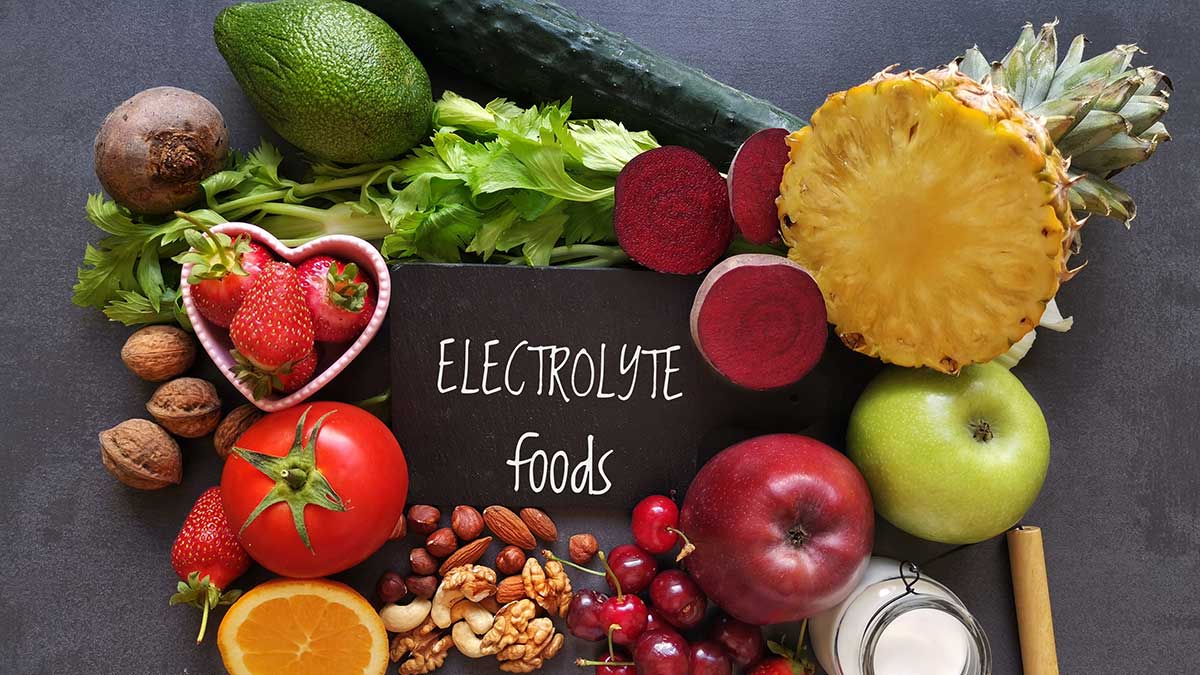
Healthy food high in electrolytes. Fresh fruit and vegetable as natural sources of electrolytes. Foods to naturally replenish electrolytes.

Electrolyte Solution to Replenish Your Minerals Lost

Staying hydrated during hot summer days is essential, but it’s not just about water. Minerals like potassium, magnesium, calcium, selenium, phosphorus, sulfur, zinc, copper, iodine, and others are also needed for your body to function optimally. These vital substances, known as electrolytes, can be lost through sweat, so it’s important to replenish them. Here’s how:

Eat Whole Foods Rich in Minerals

Whole foods are the best source of the vital minerals your body needs. They’re rich in a variety of nutrients, and their natural composition makes the nutrients more bioavailable to your body. So, include a variety of fruits, vegetables, legumes, seeds, nuts, and lean proteins in your diet.

Beware of Pre-made Bars and Drinks

While they might be convenient, pre-made bars, powders, and most canned foods are not the best sources of electrolytes. They’re often heavily processed and can contain an array of artificial ingredients. Additionally, they may be excessively sweet or salty.

Limit Smoothies and Blended Drinks

While smoothies can be a great way to get a nutrient boost, they are not ideal for everyday consumption, especially for individuals with heat sensitivity. The process of blending can generate heat, and drinking these beverages frequently could contribute to overall body heat.

Prepare Your Own Electrolyte Solutions

Creating your own electrolyte drinks can be a simple and effective way to replenish lost minerals. Freshly squeezed fruit and vegetable juices are excellent choices. You can also consider adding a pinch of quality sea salt for sodium and other trace minerals.

Consider Supplementation

While a balanced diet should cover most of your nutritional needs, certain circumstances may require supplementation. Essential vitamins and minerals like COQ10, vitamin D3, vitamin C, and B12 can help prevent deficiencies. Always consult with a healthcare provider before starting any supplement regimen.

Cooling Your Body with Sweating and Exhaling

Sweating is a natural, vital process that our bodies use to cool down and maintain a balanced internal temperature. Additionally, exhaling also helps remove heat from the body. Let’s explore how these processes function and their significance in overall health.

The Role of Sweat in Cooling the Body

Sweating is your body’s built-in air conditioning system. When your body heats up, it releases water and salt in the form of sweat. As this sweat evaporates from your skin, it helps cool down your body.

The Importance of Natural Cooling

While artificial air conditioning can provide comfort in extreme heat, it can also distort our body’s natural cooling processes. In fact, relying heavily on air conditioning could potentially reduce our body’s ability to adapt to varying temperatures, making us more sensitive to heat.

Balanced Eating to Reduce the Need for Air Conditioning

Adopting a balanced diet suited to the season can help regulate your body’s internal temperature and reduce the need for artificial air conditioning. For instance, as we’ve discussed, eating light, plant-based meals and staying hydrated can help your body stay cool in the summer heat.

Summertime Fasting

As the summer sun blazes, one surprising way to maintain your body’s balance and promote overall health is through strategic fasting. This doesn’t just mean abstaining from food randomly, but rather following specific patterns of eating and not eating, which we call intermittent fasting. Let’s explore the benefits of this approach and some methods you can try.

Benefits of Fasting

  1. Reduced Inflammation: Fasting has been shown to help reduce inflammation, a common root cause of many chronic health conditions.
  2. Weight Loss: It can support weight loss by helping you consume fewer calories and boosting metabolism.
  3. Improved Blood Sugar: Fasting can help regulate insulin levels and improve blood sugar control.
  4. Improved Mental Health: Some people report better mood and mental clarity during fasting periods.
  5. Enhanced Energy: Fasting can promote the process of autophagy, the body’s way of cleaning out damaged cells to regenerate newer, healthier cells, leading to increased energy.
  6. Hormone Rebalance: Fasting can help balance your body’s hormones, affecting everything from mood to metabolic health.
  7. Better Sleep: Regular eating patterns can contribute to more consistent sleep patterns.
  8. Reduced Cravings: Intermittent fasting can help control cravings and reduce the desire to snack.
  9. Skin Improvements: Some people notice improvements in their skin health, including a potential reduction in breakouts and conditions like eczema.

Different Ways to Fast

Before diving into fasting, please note that while the benefits are attractive, fasting is not suitable for everyone. Always consult a healthcare provider before starting a fasting regimen. Here are some popular methods of fasting:

Time Restricted Eating (TRE)

TRE involves limiting your eating to a certain number of hours each day:

  1. 12:12 Method: Eat within a 12-hour window each day, then fast for the other 12 hours.
  2. 10:14 Method: Eat within a 10-hour window each day, then fast for 14 hours.
  3. 8:16 Method: Eat within an 8-hour window, then fast for 16 hours.
  4. 6:18 Method: Eat within a 6-hour window, then fast for 18 hours.
  5. 4:20 Method: Eat within a 4-hour window, then fast for 20 hours.

Full Day Fasting

Full day fasting involves not eating for a full 24 hours, once or twice a week. Fasting for three consecutive days or more should only be done under professional guidance.

Important Considerations When Fasting

Embarking on a fasting journey requires some important considerations. Here are a few key points to remember:

Food Selection is Vital

While fasting, particularly Time Restricted Eating (TRE), can naturally reduce your caloric intake, this isn’t always the case. If you’re consuming high-calorie foods during your eating windows, you might not actually eat less. This is why it’s crucial to be selective with your food choices. Opt for healthy, whole foods that are nutrient-dense but not overly high in calories.

Stay Hydrated

Regardless of the fasting method you choose, hydration is non-negotiable. Even while fasting, you must continue to drink water or other hydrating fluids. Adequate hydration is key to supporting bodily functions and preventing dehydration.

healthy summer drinks, water, beverages, detox

Stay Cool and Balanced: Your Summer Nutrition Guide

As we wrap up this guide to staying fit and energetic in the heat of summer, it’s essential to remember that balance is the foundation of good health. From the foods we choose to eat to the ways we prepare them, every choice we make can either help maintain our internal balance or tip the scales in the wrong direction.

Incorporating these tips into your daily life doesn’t mean undergoing a radical diet overhaul. Instead, see these suggestions as tools you can use to make better-informed decisions about what you eat and drink.

Remember, too, that our bodies are unique, and what works for one person might not work for another. It’s always wise to listen to your body and adjust accordingly. If a specific food or practice doesn’t sit well with you, don’t force it.

Most importantly, enjoy your summer. Savor the fresh, vibrant foods of the season, and take pleasure in your meals. Healthy eating is not just about nourishing our bodies but also about bringing joy to our senses.

Remember to hydrate, balance your Yin and Yang, and embrace the natural ways your body cools itself. Let’s make this summer a season of great health, balance, and vitality!

References & Recommended Reading

  1. Bain, A. (2012). Body Heat Storage During Physical Activity is Lower with Hot Fluid Ingestion Under Conditions that Permit Fluid Evaporation. Acta Physiologica, 206(2), 98-108. This study dives deeper into the effects of hot fluid ingestion on body heat storage during physical activity.
  2. Kushi, M. (2003). The Macrobiotic Path to Total Health: A Complete Guide to Preventing and Relieving More than 200 Conditions and Chronic Disorders Naturally. Ballantine Books, USA. This book offers a comprehensive guide to macrobiotics and how it can be used to prevent and relieve various conditions naturally.
  3. Pitchford, P. (2002). Healing with Whole Foods. Atlantic Books, USA. This is a valuable resource for anyone interested in adopting a diet centered around whole foods for healing and wellness.
  4. Scunziano Singh, M. (2018). Be Consciously Healthy: Awaken to Your Best Life. NOW SC Press, USA. This book provides insights on achieving health consciousness and awakening to your best life.
  5. Scunziano Singh, M. (2019). The Conscious Eat: Healthy Cooking and Lifetime Recipes of Peace. NOW SC Press, USA. The book offers a selection of recipes that promotes healthy cooking for a lifetime of peace.


source https://wellcomeomcenter.com/what-to-eat-in-the-heat-a-holistic-approach-to-summer-nutrition/

Friday, June 30, 2023

Empower Your Health at the Awaken to Your Best Life: Womens Wholistic Health Conference in Spring Hill FL

Discover the Secrets to Holistic Health at Our Upcoming Women’s Health Conference

Are you ready to embark on a transformative journey towards ultimate wellness? If so, you don’t want to miss the ‘Awaken to Your Best Life: A Journey to Ultimate Wellness’ conference, set to take place in beautiful Spring Hill, FL, on September 30th, 2023.

Your Path to Wellness Begins in Spring Hill, FL

Nestled in the tranquil settings of Spring Hill, the WellCome OM Integral Healing and Education Center provides the perfect backdrop for this women’s holistic health conference. Our center is easily accessible from Tampa, Brooksville, Port Richey, and the wider Hernando County. Attendees will get the chance to engage in a full-day immersive wellness experience, surrounded by Florida’s natural beauty.

Learn from Top Health and Wellness Experts

We’ve gathered a diverse panel of health experts who will offer real-life advice and valuable information on holistic wellness. From exploring natural hormonal balancing to learning how to elevate your positive vibration, our speakers will cover a range of crucial topics. These experts include:

They will be speaking on topics such as:

  • Natural Hormonal Balancing
  • How to Turn Back Time: Longevity
  • Detox & Restore w/ Nutrition & Supplements
  • Breast Health & Cancer Prevention
  • Mastering Your Emotions
  • Elevate Your Positive Vibration

Interactive Breakout Sessions to Engage and Inspire

Besides expert talks, our conference will feature interactive breakout sessions. These sessions will offer hands-on experiences such as therapeutic gardening and a pelvic floor workshop. In addition, attendees will be guided through the session, ‘Own Your Awesome! Keys to Living Your Best Life.’

Get More than Just Health Advice

At just $99 for early bird registration, attendees will get a wealth of knowledge plus a healthy lunch and a canvas swag bag full of special offers and gifts. Plus, with raffles and prizes throughout the day, there’s the chance to walk away with even more!

Join Us on September 30th, 2023

Mark your calendars for September 30th, 2023, and prepare to awaken your senses at our health conference. Your journey to a healthier and more balanced life is just one decision away. Make sure to register before September 1st to enjoy our early bird offer.

Where Can You Register?

Visit our event Facebook page to learn more, or secure your spot for the ‘Awaken to Your Best Life: A Journey to Ultimate Wellness’ conference by purchasing your tickets here. With limited seats available, early registration is highly recommended.

Remember, the power to change your health is in your hands. Embrace the opportunity to transform your life at this not-to-be-missed women’s holistic health conference in Spring Hill, FL.

Take the first step towards living your best life. We can’t wait to see you there!

Womens-Wholistic-Health-Conference-Flyer-2023


source https://wellcomeomcenter.com/womens-holistic-health-conference-spring-hill-fl/

Wednesday, June 21, 2023

Be a Part of the Buzz: Learn Celebrate and Save Our Precious Bees at the BEE Conscious Honey Bee Day and Craft Fair!

Have you ever wondered about the buzzing sound you hear when you walk through a garden? Or perhaps you’ve noticed the beauty of flowers and wondered how they manage to thrive so vibrantly. The answer to both, quite simply, lies in the wonderful world of bees – our essential and industrious pollinators. Join us on Saturday, August 19th, from 10 am to 2 pm at the WellCome Om Integral Healing and Education Center in Spring Hill, FL for a day of learning, celebrating, and doing our part to save the bees!

What’s the Buzz About?

This event is not just about celebrating these tireless pollinators, but also about understanding their vital role in our ecosystem, the threats they face, and how we can all contribute to their preservation. You’ll walk away from the day not only with a greater appreciation for bees but also with practical steps you can implement in your own backyards.

Buzzy Workshops & Activities

We have a hive full of exciting activities planned. Whether you’re interested in starting your own backyard beehive or you’re a seasoned beekeeper, we’ve got something for everyone. We’re hosting engaging, educational speakers offering sessions throughout the day, including “Backyard Beekeeping” and “Planting for Pollinators” among others. This is an opportunity to deepen your understanding of these vital pollinators and their needs, while networking with fellow bee enthusiasts.

Family-friendly activities will also be a part of the fun, making it a perfect outing for the entire family.

Keep It Green

In an effort to reduce our environmental footprint, and because parking is limited, we encourage attendees to carpool when they can. Remember, every small step we take to reduce our carbon emissions has a big impact on our world.

Event Details

Date/Time: Saturday, August 19th from 10 am – 2 pm

Location: WellCome Om Integral Healing and Education Center, 4242 Lake in the Woods Drive, Spring Hill, FL 34607

For further information, you can visit our Facebook event page or EventBrite.

Special Thanks

We are buzzing with gratitude for our leading sponsor, Gardner Audiology. Their dedication to providing quality hearing healthcare services, including hearing assessments, rehabilitation, education, and counseling, echoes our mission of educating and serving the community. Their 9 locations throughout Tampa Bay, along with their remote assistance options, allow you to take control of your hearing health from the privacy of your home. To know more about their services, call 1-800-277-1182 or visit wwww.gardneraudiology.com.

We’re excited to welcome you to this special event dedicated to celebrating and protecting our favorite pollinators. Together, let’s generate some buzz and take the initiative to save our bees!

Come for the knowledge, stay for the fun, and leave with a purpose!


source https://wellcomeomcenter.com/bee-consious-honey-bee-day-craft-fair/

Thursday, April 6, 2023

Don’t Be Fooled… Secrets the Tech, Pharma, and Food Industries Don’t Want You to Know

The food, technology, and pharmaceutical industries are deeply intertwined and essential to modern life. We often assume that these industries work in harmony, benefiting us in many ways. Food provides sustenance, technology allows us to communicate and connect, and pharmaceuticals can save or prolong lives. However, there are secrets within these industries that they don’t want you to know. In this article, we will delve into the hidden truths of the tech, pharma, and food industries, exposing what they don’t want you to see. Read on to uncover the shocking secrets that these industries have been hiding for too long.

Food Industry Secrets

GMO corn on the cob

The food industry is not as transparent as we might think. Big food lobbyists have captured the FDA, and chemical lobbyists follow along with their agenda. There are conflicts of interest happening between these industries, which is not a good sign. In recent years, the development of CRISPR technology has allowed for gene editing in food. This technology is controversial and raises questions about the safety of genetically modified food.

To make matters worse, thanks to a law passed in the 1950s, food manufacturers are able to take shortcuts and announce their food or additives as GRAS (Generally Recognized as Safe) without revealing the contents to the FDA. This means that companies can determine on their own if a food or added substance is safe without proper FDA oversight. The lack of transparency in the food industry is concerning and raises questions about the safety of the food we consume.

As consumers, it’s important to be aware of these secrets that the food industry doesn’t want us to know. The power play between these industries creates conflicts of interest that can impact our health and safety. The lack of transparency in the food industry is worrying, and consumers have the right to know what they are putting into their bodies.

Essentially, most of the food manufacturing in the US is heavily reliant on artificial/synthetic ingredients, GMO products, heavily refined and processed foods/oils, plastics, metals, synthetic wrapping/packaging, and even synthetic salt, which often lacks iodine. It’s concerning to think that the food we eat is often made with ingredients that are far from natural. To add to the concern, food manufacturers in the USA enjoy the “unlabeling” of genetically modified food, meaning that consumers are often unaware if the food they are consuming is genetically modified or not.

Reading Between the Lines

It’s important to read between the lines when it comes to the ingredients in our food, particularly in processed foods. Many of the leading detrimental ingredients found in processed foods are not always clearly labeled, which makes it difficult for consumers to make informed decisions. Here are some of the most concerning ingredients that are on, or not on, food labels:

  • Propylene glycol: named the American Contact Dermatitis Society’s “Allergen of the Year” in 2018, this emollient and emulsifier is found in cosmetics, drugs, and foods. Many people have allergic reactions to this substance both internally and on the skin, and questionable results have been found in dog testing, including hemolysis.
  • BHT (butylated hydroxytoluene): studies by the International Program for Chemical Safety have shown toxicity present in this petroleum product. It’s used as a food “antioxidant” to prevent oxygen from breaking down fat and causing foul smells and rancidity.
  • BHA (butylated hydroxyanisole): deemed “GRAS” by the FDA, but a “potential carcinogen” according to the NIH, this is another “antioxidant” that the International Agency for Research on Cancer has classified as a possible human carcinogen. The European Commission on Endocrine Disruption also categorizes this substance as a priority substance with evidence for endocrine disruption.
  • Corn starch and modified corn starch: all genetically modified.
  • Partially hydrogenated soybean or cottonseed oil: also genetically modified.
  • Sunflower, corn, or safflower oils: these omega-6 fatty acids can cause inflammation, pain, and dysregulation of sugar.
  • Hydrogenated oils (trans fats): the FDA has ordered these out of food production as of 2020 due to the heart disease risks associated.
  • High fructose or maltose corn syrup: a very fast sugar that can contribute to fatty liver, diabetes, and heart disease.
  • Red #40, yellow 5, yellow 6, blue 1: these food colorings can be immune disrupting and contribute to altered behaviors and cancer.
  • Sodium benzoate: when combined with vitamin C, it can be toxic.
  • Azodicarbonamide: used in Pizza Hut cheese bread, this substance is banned in Europe, the UK, and Australia, and in Singapore.
  • Dimethylpolysiloxane: an “anti-foaming” agent used in McDonald’s French fries, caulks, sealants, breast implants, and even silly putty.
  • Glyphosate: an ingredient of Roundup herbicide that is found in most conventionally grown crops. It affects the shikimate pathway of organisms in plants and has been implicated in many human diseases. The gut microbiome is one area that is heavily impacted by this substance.

It’s important to be aware of the big food corporations that are selling inferior, substandard, and unhealthy products to the public. Some of the biggest offenders in this category include Kellogg’s, Kraft, PepsiCo, M&M/Mars, General Mills, and McDonald’s.

However, it’s important to note that behind these corporations are even bigger owners, including Vanguard and BlackRock at the top of the list. These corporations have immense power and influence over the food industry, which can impact the quality and safety of the food that we consume. How does this make you feel? As consumers, we should be aware of who is behind the food we eat and demand greater transparency and accountability from these companies.

Technology Industry Secrets

pre-teen on cell phone

The technology industry is rapidly advancing, but at what cost? Shockingly, no safety testing has been done on cell phones since 1979. This is a serious concern, as the technology and the way we use it have changed dramatically since then. We use our phones constantly, exposing ourselves to microwave radiation that alters biological cell function. This is particularly concerning when it comes to children, who are highly vulnerable to the detrimental effects of this radiation. With no safety testing being done, it’s important that we take a closer look at the potential risks that come with using cell phones.

Microwave radiation is not the only concern when it comes to technology. As more and more children use smartphones and other devices, we must consider the impact these technologies have on their developing brains. Studies have shown that children who use smartphones regularly have decreased gray matter in their brains, as well as changes in brain activity. This is alarming and raises questions about the impact of technology on children’s neurological development. We must ensure that our children are using these devices safely and in moderation.

Another concerning aspect of the technology industry is the ongoing surveillance and more to come. Our every move is being tracked, whether we realize it or not. Social media platforms track our behavior, Google Maps track our location, and the NSA monitors our communications. This level of surveillance is unprecedented and raises questions about our privacy and civil liberties. It’s important that we demand greater transparency and accountability from technology companies and ensure that our privacy rights are protected.

If something feels right in our gut, it’s important to follow that intuition. We can always change our minds and make different choices if we find that something isn’t working for us.

One of the most significant concerns with technology is the addiction that it can cause. Social media platforms, video games, and other technologies are designed to be addictive and can have a serious impact on our mental health. Studies have shown that excessive use of technology can lead to depression, anxiety, and other mental health issues. It’s important that we learn to use technology in moderation and take breaks from our devices to prioritize our mental health.

Finally, there is a significant issue with the electronic waste that the technology industry produces. Every year, millions of tons of e-waste end up in landfills, causing serious environmental harm. We must demand that technology companies take responsibility for the products that they produce and implement more sustainable practices. As consumers, we can also do our part by recycling our electronics properly and choosing products that are designed to be environmentally friendly.

Big Pharma Secrets

prescription medicine on dollars for pharmaceutical industry concept of high cost for healthcare and medication

The pharmaceutical industry is a complex and sometimes controversial industry. One of the most concerning issues is the experimentation that occurs without proper scientific control and regulation. This is a serious problem, as it means that drugs are being released to the public without being properly tested or evaluated. This can lead to serious health risks for patients, as they may be taking medication that has not been properly vetted. We need to demand greater transparency and accountability from the pharmaceutical industry and ensure that all drugs are properly tested and evaluated before they are released to the public.

Another issue with the pharmaceutical industry is the exclusion of life-saving ingredients in certain classes of drugs. In some cases, pharmaceutical companies have intentionally excluded important ingredients in their drugs, potentially putting patients at risk. This is particularly concerning when it comes to life-saving medications, where the exclusion of certain ingredients could have serious consequences. Hold the pharmaceutical companies accountable for the safety of their products and demand that they include all necessary ingredients in their medications is crucial.

The safety of medications is also a concern, particularly when it comes to the information included in their packaging. Many medications do not include important safety information in their packaging, leaving patients in the dark about potential risks and side effects. This is particularly concerning for patients who may be taking multiple medications, as they may not be aware of potential interactions. It’s important that pharmaceutical companies provide clear and comprehensive information about their products to ensure that patients are fully informed about the risks and benefits of their medications.

Another issue with the pharmaceutical industry is the high cost of prescription drugs. Many life-saving medications are prohibitively expensive, leaving patients without access to the treatment that they need. This is a serious problem, as it means that patients are not receiving the care that they need to manage their health conditions. It’s important that we work to make prescription drugs more affordable and accessible for all patients, regardless of their financial circumstances.

Finally, there is a significant problem with the opioid epidemic in the United States, which has been fueled in part by the pharmaceutical industry. Pharmaceutical companies have been accused of downplaying the risks of opioid medications and encouraging doctors to overprescribe them. This has led to a widespread addiction crisis that has devastated communities across the country. It’s important that we hold pharmaceutical companies accountable for their role in this crisis and work to find solutions that prioritize the health and well-being of patients.

Deciding What’s Best for You in Food, Pharma, and Technology

When it comes to making decisions about our health, safety should always be our top priority. Whether we’re making choices about food, pharmaceuticals, or technology, we must always consider the potential risks and take steps to mitigate them. This means doing our research, asking questions, and avoiding being coerced or forced into anything that we feel uncertain or fearful about. It’s important that we take control of our health decisions and make choices that prioritize our well-being.

If you have been hurt or disturbed by a particular food, medication, or device, it’s important to seek alternative care options. There are often many different treatment options available, and it’s important to know your alternatives and the benefits of one treatment over another. It’s also important to work with tried-and-true companies and healthcare providers who have a track record of providing safe and effective care.

When facing a very serious diagnosis or health issue, a more integrative approach may be your best choice. This means looking at all of the available treatment options, including alternative therapies and lifestyle changes, and working with a healthcare provider who can help you create a comprehensive treatment plan. It’s important to remember that your health is in your hands and that you have the power to make choices that will benefit your well-being.

Ultimately, deciding what’s best for you in food, pharma, and technology requires careful consideration and thoughtful decision-making. We need to think critically about the choices that we make and prioritize our health and safety above all else. By doing our research, asking questions, and seeking out tried-and-true companies and healthcare providers, we can make informed decisions that will help us lead healthy and fulfilling lives.

Choose Truth, Purity, and Totally Natural and Avoid Negative Consequences

When it comes to making choices about our health and well-being, it’s always best to err on the side of caution. If you have any doubts or concerns about a particular food, medication, or technology, it’s important to say no and avoid negative consequences. This means being mindful of what we put into our bodies and taking steps to protect our health and well-being.

One way to do this is to focus on organic, whole, homemade, and traditional cultural foods. These are often the purest and most natural options available, and they can provide us with the nutrients and sustenance that our bodies need to thrive. We can also look to the wisdom of our ancestors and consider what our grandmothers and grandfathers raised and picked from the fields.

It’s also important to seek out sources of information that provide the truth, even if they are not identified by three-letter media outlets. We can take a moment to examine our resources and consider what information sources we trust and rely on. By keeping all of our senses clear and free of propaganda, we can make informed decisions that prioritize our health and well-being.

If something feels right in our gut, it’s important to follow that intuition. We can always change our minds and make different choices if we find that something isn’t working for us. It’s also helpful to join like-minded people who are also seeking answers and to seek out trusted thinkers and problem-solvers who can provide us with valuable insights and guidance.

Finally, it may be in our best interest to turn off all media and focus on reading books written by trusted experts. This can help us avoid the noise and distractions of modern life and focus on the information that is most relevant and useful to us. By choosing truth, purity, and totally natural options, we can protect our health and well-being and live our best lives.

References & Recommended Readings

  1. CDC.gov/cdc-info/index.html
  2. DavidSuzuki.org/livinggreen/ “The Dirty Dozen: BHA and BHT
  3. Dasgupta, P. et al. “Iodine Nutrition: Iodine Content of Iodized Salt in the United States“. Environmental Science & Technology, 2008, Feb. 15; 42(4): 1315-1323
  4. EnvironmentalHealthTrust.org
  5. Quinn, E. et al. “Why the FDA Doesn’t Really Know What’s in Your Food“. The Center for Public Integrity; April 2015
  6. Seneff, Stephanie. Toxic Legacy. Chelsea Green, USA/UK, 2021.
  7. Sharon, J. et al. “Propylene Glycol” Dermatitis, 2018, Jan, 29(1): 3-5
  8. Weil, CS, et al. “Results of Feeding Propylene Glycol in the Diet to Dogs for 2 Years“; Science Direct, Elsevier, 1971, vol 9 (4): 479-490
  9. Yoqunito, L. “The Truth About Food Additive BHA“; www.livescience.com, May 30, 2013
  10. Zimmermann, M. et al. “Iodine Deficiency and Thyroid Disorders” Lancet Diabetes Endocrinology, 2015, April; 3(4): 286-295


source https://wellcomeomcenter.com/tech-pharma-food-industry-secrets/

Wednesday, March 1, 2023

Clean Up Time: Detoxification, Fasting, Autophagy — What Does This All Mean?

The term “detoxification” is technically defined as removing poisonous substances from the body. However, its origin can be traced back to the Latin and French words “de,” meaning “down from,” and “toxic-poison,” derived from the Latin “toxicum,” the French “toxique,” or the Greek “toxikon.”

Over time, the meaning of “detoxification” has evolved. In 1867, “detoxicate” was introduced as a verb meaning to eliminate heavy alcohol from the body. In 1905, “detoxify” was defined as a verb meaning to remove poisons from the body. By 1970, “detoxify” had expanded to refer to the treatment of removing alcohol and drugs from the body. In 1971, the term was used to refer to removing addictive substances from the body. In 1972, “detox” became a colloquial abbreviation for “detoxify,” used as either a noun or a verb.

What Does Detoxification Mean in the Health & Wellness Arena?

In modern conventional medicine, “detoxification” is used to describe the removal of toxic chemicals from the body in general. However, in conventional medicine, “chelation” is used specifically for heavy metal poisoning, such as lead or mercury or for radioactive substances like uranium.

It is important to note that conventional medical teaching does not include chelation as a means of removing the “excess buildup” of toxic metals, as is done in the health and wellness arena. The American Medical Association (AMA) has established a set of rules and language that it defines for the purpose of prohibiting anything outside of its own scripts.

Detoxes and Cleanses for Health & Wellness

Detoxification and cleansing are terms referring to:

  • Removal of toxins such as by-products of poor eating, heavy metals, drugs, alcohol, pathogenic organisms, carcinogenic substances, and other unwelcome materials in the body
  • Gallstone and other stone flushing programs
  • Drugs (can be prescription or otherwise)
  • Removal of other environmental agents like aerosols, airborne chemicals, paints, fragrances, industrial chemicals, electromagnetic artificial radiation
  • Means of weight loss
  • Promotion of health

If you’re looking to clean up your habits and achieve better overall health, there are many ways and means to cleanse. It’s important to take it at a reasonable pace and seek guidance and coaching for best results. However, it’s crucial to keep safety as the number one priority, as not all programs are guaranteed to work for everyone.

It’s important to take it at a reasonable pace and seek guidance and coaching for best results.

To help you get started, here is a list of good ways to change your habits and kickstart your clean-up journey:

  • Fasting or time restricted eating (tre)
  • Food restrictions with use of only whole foods, preferably organic and less eating
  • Chewing slowly to at least 30-50 times per mouthful
  • Colon cleansing with high fiber; careful enema program (if there is much constipation or excessive gas/flatulence; must proceed with caution)
  • Use of herbal preparations and other combination formulas
  • Exercise in higher intensity
  • Sauna, especially near-infrared
  • Chelation
  • Activated charcoal
  • Meditation
  • Massage and lymphatic drainage
  • Chanting, singing
  • Chakra healing

clock, plate and fork, intermittent fasting

Fasting Different Ways Can Have Positive Effects

Fasting is a dietary practice that involves abstaining from food for a certain period of time. This eating pattern has been associated with numerous health benefits, including reduced inflammation, weight loss, improved blood sugar, enhanced energy, hormone rebalancing, better sleep, reduced cravings, and potential improvements in skin conditions such as acne and eczema.

Additionally, fasting has been shown to have positive effects on mental health, with some studies suggesting it may help improve mood and cognitive function. Overall, incorporating fasting into your lifestyle may be a great way to improve your overall health and well-being.

Time Restricted Eating (TRE)

Time-restricted fasting is a great way to discipline your eating habits and better control insulin levels, which can help reduce cravings and swings in blood sugar. If you’re new to time-restricted fasting, you may want to start with a shorter fasting period and gradually work your way up to longer periods. Here are some popular fasting schedules to consider:

  • A. 12:12 – Eat within a 12-hour period and fast for 12 hours.
  • B. 10:14 – Eat within a 10-hour period and fast for 14 hours.
  • C. 8:16 – Eat within an 8-hour period and fast for 16 hours, which can help initiate autophagy (cellular cleaning and renewal).
  • D. 6:18 – Eat within a 6-hour period and fast for 18 hours.
  • E. 4:20 – Eat within a 4-hour period and fast for 20 hours.

By gradually increasing the length of your fasting periods, you can reap the benefits of time-restricted fasting and improve your overall health and well-being.

Full Day Fasting

Full-day fasting can be a challenging practice, but it can be done with care. Here are some guidelines to consider:

  • Fasting for a full 24 hours once or twice a week can be a good way to start.
  • Fasting for 3 days in a row can be more challenging, but it can also provide more benefits.
  • Any longer duration of fasting should be done with proper coaching and guidance to ensure your safety and well-being.

Remember, fasting is not suitable for everyone and should be approached with caution. If you’re considering full-day fasting, it’s essential to listen to your body and seek professional guidance to ensure that you’re doing it safely and effectively.

When practicing time-restricted eating, it’s important to note that while some people may be able to reduce their total caloric intake, others may end up consuming higher-calorie foods and not actually eat less. To avoid this, it’s recommended that you choose healthy, whole foods to eat during your eating window.

If you decide to fast for any amount of time, it’s essential to drink water or stay adequately hydrated. Your body cannot function without proper fluid intake.

What is the Meaning of Autophagy?

Autophagy is a biological process involving the enzymatic breakdown of a cell’s damaged or unnecessary components. The word “autophagy” comes from the Latin words “auto,” meaning self, and “phagy,” meaning eat. Essentially, autophagy is the body’s natural recycling program.

During autophagy, a cell component called a lysosome collects debris from the cell’s cytoplasm and uses it for energy. This process is a means of cellular “cleansing” and is essential for the survival of an individual.

Autophagy is triggered when there is an absence of food energy from the digestive tract, typically around the 16-hour mark of fasting. At this point, the cells of the body start utilizing everything they can to nourish their inner contents. The liver detects that the blood sugar is reducing and stimulates glucagon to release glycogen, which sends glucose to the brain and other organs to maintain a source of energy.

Meanwhile, the cells are cleaning up and reusing amino acids that have been recycled in the autophagy process. All systems are being used to keep the person alive and ready to function.

However, autophagy dysfunction has been detected in certain conditions, such as Parkinson’s, Crohn’s disease, hereditary spastic paraparesis (lower limb paralysis), and likely some cancers. Ongoing research is being conducted to explore the benefits and possible risks of autophagy.

detoxing vegetable juices

How Often to Detox?

The body is constantly working to maintain balance and homeostasis, including cleansing itself. You can support this natural process by getting good quality sleep, maintaining a regular eating schedule, spending time in the sun for at least 10-30 minutes daily, working out, socializing, meditating, and more. Time-restricted eating can be practiced daily and is safe to do indefinitely.

It’s important to adjust your schedule to include daily exercise and work up to more intense routines as your health allows. Chelation may be necessary depending on your metal loads. You can visit the Blue ‘Heal’ building at the Wellcome OM Center and check with Mary at Integrative Healing window for more information on a painless way to check your heavy metal and nutrient contents. IV infusions for cleaning up metals and increasing your nutrient/antioxidant/immune building capacity can be done weekly, biweekly, monthly, or on other time schedules according to your health needs.

Other cleansing methods, such as sauna, flushes, massage, and more, can be done as often as your schedule will allow. Remember, it’s essential to listen to your body and seek professional guidance to ensure that you’re taking care of yourself safely and effectively.

Why You Need to Change Now

The environment is becoming increasingly toxic due to a variety of factors, including chemicals, GMO foods and products, lab leaks, EMF radiation that is intensifying by the minute, pressures from the pharmaceutical and medical industries (such as injectable mRNA materials and direct drug marketing), negative energies, and destructive and dangerous international movements.

It’s important to be aware of these issues and take steps to protect yourself and your health. This can include practicing healthy habits, reducing exposure to toxins and radiation, seeking out natural and organic products, and staying informed about current events and developments.

Final Remarks

Life is precious, and our personal sovereignty is something that cannot be lost. It’s essential that we take care of ourselves and each other, especially since we can’t always rely on a system that itself needs major detoxing.

Remember, we’re here to help, and we all have a role to play in creating a healthier and more sustainable future. Please take care of yourself and others, and welcome to a community at WellCome OM that prioritizes wellness and self-care.

Disclaimer:
The information provided in this discussion is for educational purposes only and should not be considered a substitute for professional medical advice. If you are under specific care for your health and wellness, please consult with your healthcare provider before making any changes. The opinions expressed by the author may not necessarily reflect those of the viewing audience.

References & Recommended Reading

  1. Ajmera, R. et al. “8 Health Benefits of Fasting, Backed by Science”. https://www.healthline.com/nutrition/fasting-benefits; Nov. 22, 2022.
  2. “Detoxes” and “Cleanses”: What You Need to Know. https://nccih.nih.gov/health/detoxes-and-cleanses-what-you-need-to-know
  3. Mercola, J., D.O., EMF*D: Wi-Fi & Cell Phones: Hidden Harms and How to Protect Yourself; Hay House, USA, 2020.
  4. Etymonline.com/word/detox
  5. Merriam-webster.com/dictionary/autophagy
  6. Simpson, L. Detox Kitchen Vegetables. Bloomsbury, Publishing, London, USA, 2018.
  7. Taylor, F and Krohn, J. The Whole Way to Natural Detoxification. Hartley and Marks, USA, 1996.


source https://wellcomeomcenter.com/dextoxification-fasting-autophagy-health/