Pages

Tuesday, January 3, 2023

A New Year Rejuvenation of the Body & Mind: What to Do to Bring it Back Into Balance

The past year or two have been difficult for many people, with a range of emotions including frustration, anxiety, depression, confusion, and panic. These negative experiences can take a toll on both the mind and body.

How have the events of the world affected your own mind and body? If you are anything like the average American, it was probably fraught with just about every odd and perplexing emotion, peppered with a good helping of frustration with how this country has lost sight of it’s whole purpose.

As a physician, I have seen a significant increase in the number of patients experiencing significant problems in the past three years. These problems include such conditions as:

  • Suicidal ideations soaring
  • Suspicious feeling and mistrust in general
  • Loss of sense of self and stability in life
  • Heart dysrhythmias and heart disease in all ages
  • Blood clotting leading to heart, lung, limb, and brain dysfunction
  • An upsurge in cancer in all ages
  • High rates of autoimmune diseases
  • An uptick in memory loss and dementia
  • Weight gain of 20 plus pounds in many with dietary indiscretion
  • Death in very high numbers

The Causes of Our Emotional and Physical Imbalances

The events of 2019-2020, including the global panic and hysteria caused by the pandemic, have had a destabilizing effect on the world. This all came from mass panic and hysteria, fear, quarantining, lockdowns, deaths, mass injectables causing an enormous amount of injury, disability, hatred, oppression, coverups, depression, anxiety, division, pain from every direction and total confusion that all led to global imbalances.

Lessons 1 to 10: Manipulating nature’s order, simplicity, and intelligence can lead to devastating consequences.

It is important to recognize that manipulating nature can have devastating consequences, and we must learn from this experience in order to make better decisions in the future. There is evidence to suggest that gain-of-function bioweapon research was being conducted in China with the involvement of the US, and the handling of the crisis by global leaders has led to a decline in public health and a lack of trust in governing and regulatory organizations.

Thankfully, many leading physicians, scientists, and other professionals have stepped up to help reverse the damage caused by the events of the past few years. These individuals have worked tirelessly to save lives and promote overall health, often in the face of inadequate leadership and support. It is important to support and uplift these heroes, as they are crucial in helping to rebuild and improve the health of our communities.

According to my research and information from trusted sources who have uncovered fraud and crimes at the highest levels, our country and many others have been led down a path that is not in our best interests.

Lessons 11 to 21: It is important to verify and validate information from highly trusted sources with a history of integrity before accepting it as true.

The following factors have contributed to our vulnerabilities in terms of weakened immune strength and increased susceptibility to severe illness, particularly in the presence of viral agents (or weapons):

  • Environmental toxins with a barrage of chemicals and radiation in food, water, homes, personal care items, agriculture, vehicles, workplaces, hospitals, military sites, schools, etc.
  • Cellular and WiFi systems are given additional mention due to their negative effects on the body in general
  • Refined carbohydrates and most vegetable oils with highly inflammatory omega-6 fatty acids
  • Processed meats, poultry, and farmed fish
  • Poor or inadequate sleep
  • Hormonal imbalances from multiple disruptors mentioned above, as well as plastics, flame retardants, fuel with petroleum, metals, and solvents

Research has shown that individuals in the US who were most vulnerable to the “V” (presumably referring to the pandemic or a specific virus) were heavy consumers of the previously mentioned unhealthy items, had low levels of vitamins D, zinc, minerals, and antioxidants such as vitamin C and glutathione, were sedentary or relatively inactive, highly stressed, or taking multiple pharmaceuticals. Furthermore, those who had received one or more injections from any pharmaceutical company were at an increased risk for illness or injury.

It is important to note that philanthropy and humanitarianism are not motivated by profit, but rather by a genuine desire to help and support others. There is currently a lot of clean up in progress being done to address the issues and challenges facing our society, and individuals can play a role in this process by taking steps to improve their own health and well-being.

Clean Up Takes Time & Patience

At WellCome OM Integral Healing & Education Center, we are guided by a universal energy that pushes us to act in ways that are authentic, right, and promote life. Our team is dedicated to living healthy lifestyles, and I am committed to helping others do the same.

When I encounter someone who is seeking guidance and direction to improve their health, my plan is to support them in reaching their goals through the use of their own natural abilities and the aid of helpful, life-supporting items.

  • Organic, whole, non-genetically altered foods – mainly plants, some fish, and minimal animal muscle
  • Quality beverages including fresh water and low or non-caffeinated types
  • Quality supplements – oral, infusions, topicals
  • Homeopathic compounds
  • Powerful antioxidants like glutathione (found to reduce spike proteins from “V” or the jab)
  • Powerful chelators such as EDTA and vitamin C (as above)
  • Salt therapy
  • Sauna – near infrared excellent for inducing heat shock proteins to help with pain and inflammation, tissue renewal, and detoxification
  • Massage of varying types for specific needs
  • Life coaching
  • Pure bioenergy with Dr. Maria
  • Acupressure
  • Hypnotherapy
  • Gentle frequencies from BEMER/KLOUD
  • Crystals and stone energies
  • Meditation/breath work
  • Yoga
  • Tai Chi
  • Aerobic (isotonic) and isometric exercise – daily for 30 minutes
  • Pharmaceuticals that are least harmful and preferably compounded to enhance function and protect against harmful exposures

cruciferous vegetables

Improving Your Eating Habits

In order to improve gut health, boost immunity, facilitate weight loss, improve diabetes management, lower blood pressure, reduce pain, and enhance brain function, it is essential to:

  • Take time for your meals every day
  • Choose whole grains and soak them before a final cook
  • Sit without looking at your phone, watching TV, or working for optimal health outcomes
  • Eat slowly and chew well
  • Stop eating 3 hours before bedtime
  • Eat less or time-restrict the intake of all solid foods through daily intermittent fasting or weekly fasts
  • Consider doing a prolonged liquid fast for 3 or more days with proper guidance to promote autophagy and stimulate stem cell activity
  • For clean-up of poor food intake, add 1-2 activated charcoal capsules in the morning and don’t eat a meal until close to noon; repeat for as long as needed
  • Get sunlight between 10 AM and 2 PM for at least 15 minutes daily for lighter skin and 30-60 minutes for darkly pigmented skin; use supplemental vitamin D3 for sun-lacking periods of at least 5000 IU (125 mcg) per day; have your vitamin D levels measured every 6-12 months

Additionally, consider consuming more prebiotic foods at mealtime, such as:

  • Flax
  • Chia
  • Onions
  • Garlic
  • Shallots
  • Leeks
  • Oats
  • Barley
  • Chicory
  • Jerusalem artichokes
  • Lentils
  • Chickpeas
  • Kidney beans
  • Soybeans
  • Most other beans
  • Grapefruits
  • Bananas
  • Melons

Cultured foods can also be beneficial, including:

  • Kimchi
  • Sauerkraut
  • Tempeh
  • Miso soup
  • Pickled vegetables
  • Water kefir
  • Sourdough bread (in small amounts if desired)

I, personally, do not promote dairy due to the hormones, poorly digestible proteins, and diet of dairy farm cattle.

Other microbiome-friendly foods include:

  • Cruciferous vegetables such as broccoli, cauliflower, brussels sprouts, kale, collards, turnips
  • Olives
  • Bitter greens
  • Yams
  • Pumpkin
  • Acorn squash
  • Butternut squash
  • Seaweed
  • Radishes
  • Pumpkin seeds
  • Beans
  • Blueberries
  • Dandelion
  • Figs

Live a Healthier Lifestyle

Living a healthy lifestyle is important for a variety of reasons. It can help you feel your best both physically and mentally, and can also reduce your risk of developing chronic conditions such as obesity, heart disease, and type 2 diabetes.

A healthy lifestyle may include regular physical activity, a balanced diet, and sufficient sleep, as well as managing stress and engaging in activities that bring joy and fulfillment. By taking care of your overall well-being, you can improve your quality of life and potentially live a longer, happier life.

A healthier lifestyle includes:

  • A 30-minute exercise routine daily with strength/weight training at least 2x weekly
  • Slow, deep, conscious breathing daily for at least 5 minutes; stop, look, listen, and breathe
  • Daily body self-massage or rebounding
  • Natural environment around you – add more plants and trees within and surrounding your home and workplace/space
  • Cultivate good habits; avoid criticism and confrontation
  • Perform random acts of kindness to self and others to bring joy to you and your planetary siblings
  • Aim for at least 2 healthy bowel movements daily
  • Have your lighting dimmer in the evening and go to bed before midnight in a very dark room that is not too hot
  • Use natural personal care products that you make at home or purchase at a conscious market
  • Grow vegetables with organic techniques
  • Learn new things that are worthwhile – language, instrument, art, sport, hobby
  • Meet up with people who are positive, truthseekers, and kind

A healthier lifestyle does not include:

  • Highly processed foods with fillers, additives, artificial flavoring, coloring, and sweetening
  • Microwaveable butter-flavored popcorn – contains a compound called diacetyl that is dangerous to the gut and can increase beta-amyloid protein (which is responsible for harming the brain and reducing cognition)
  • Microwaving – lowers the nutritional value of food due to radiation wave bombardment; transfer of this energy to the human gut is not recommended
  • Aspartame, sucralose
  • Aluminum cooking pans, coated pans – toxic!
  • Plastics, styrofoam, and other petroleum products that are not recyclable or biodegradable
  • Fluoride toothpaste or other dental products
  • Amalgam fillings – ask to have white resin for any cavities and replace amalgams with resin as soon as possible
  • Constant exposure to radiation from cellular systems including phones, watches, servants, appliances, alarms, smart meters, baby monitors, Bluetooth (especially 5G) – keep your time limited and a wide distance most of the time; do not have a cell phone on in your bedroom
  • Microchips in the body
  • Polypharmaceuticals
  • Any further injections from a pharmaceutical company that has been sued for millions of dollars and offers empty or false promises

2023 written in the sand on the beach

A New Attitude for a New You

My suggestions for this new year with a new outlook on the health of the mind and body, which will translate to the health of the world, are as follows:

  • Believe in your own healing abilities
  • Pay attention to the details that have been described and reinforced
  • Stick to a schedule and don’t break it
  • Devote time to yourself every day without an excuse
  • Be your own advocate and don’t be forced into anything
  • Set SMART goals that are Specific, Measurable, Attainable, Relevant, and on a Timely basis

As an example, if you want to lose weight:

  • S = 20 pounds in 6 months
  • M = check weight every Sunday and log it in a journal
  • A = Can I get to this goal in this time frame? Know your abilities and do your best to at least try for 50% of the total
  • R = The is important for my health
  • T = Aiming for 6 months to have lost this amount

Set simple, uncomplicated goals like exercising every day for 10-30 minutes. Appreciate the benefits in both the short and long term. When you keep your goals simple, you will generally be happier and more motivated to achieve them. If you need help reaching your goals, you can seek guidance from us here at WellCome OM.

Conclusion

May you find peace within yourself and let the energy you generate take you to new heights. You can accomplish this with a positive attitude for the new year.

For more information on the offerings at the Wellcome OM Center, please contact our team in the Heal Building (the blue-colored building) at (352) 600-4242. For specific appointments with Dr. Maria, Diane Friedberg, or Jayne Arrington, please contact Mary Taclik at (352) 584-9080.


source https://wellcomeomcenter.com/body-mind-balance-2023/

Monday, October 10, 2022

Meditation for a Simpler Life

Meditation can bring us peace and balanced life, offering a sense of calm that benefits our emotional health and physical health. When preparing for meditative time, it’s important to remember a few things to make your time more contemplative.

  • Come to your meditative place with no phone, tv, devices, or outside interruptions
  • Set aside at least 5 minutes to meditate; however, preferably as much time as needed
  • Sit in comfy position
  • Close eyes gently
  • Acknowledge to your inside sounds — heartbeat, intestines
  • Let thoughts go — no need to sort or chase them
  • Select a mantra — a word or phrase of your choice
  • Recite your mantra and after some time stop reciting
  • Forget about time

What is a Mantra?

A mantra is a word or sounds repeated to aid concentration in meditation. We can break down the word mantra into two parts: “man,” which means to think, and “tra,” which means liberate, instrument, or vehicle. In other words, a mantra is an instrument of the mind — a powerful sound or vibration that you can use to enter a deep state of meditation.

There are three types of mantras:

  1. Bija — or seed mantras — which are one-syllable sounds that activate the chakras along the center line of the body, such as OM.
  2. Saguna — deity mantras — because they often focus on some form of the divine such as OM NAMAH SHIVAYA or OM KALI MA.
  3. Nirguna — without attributes or form — like AHAM BRAHMA ASMI or AHAM PREMA.

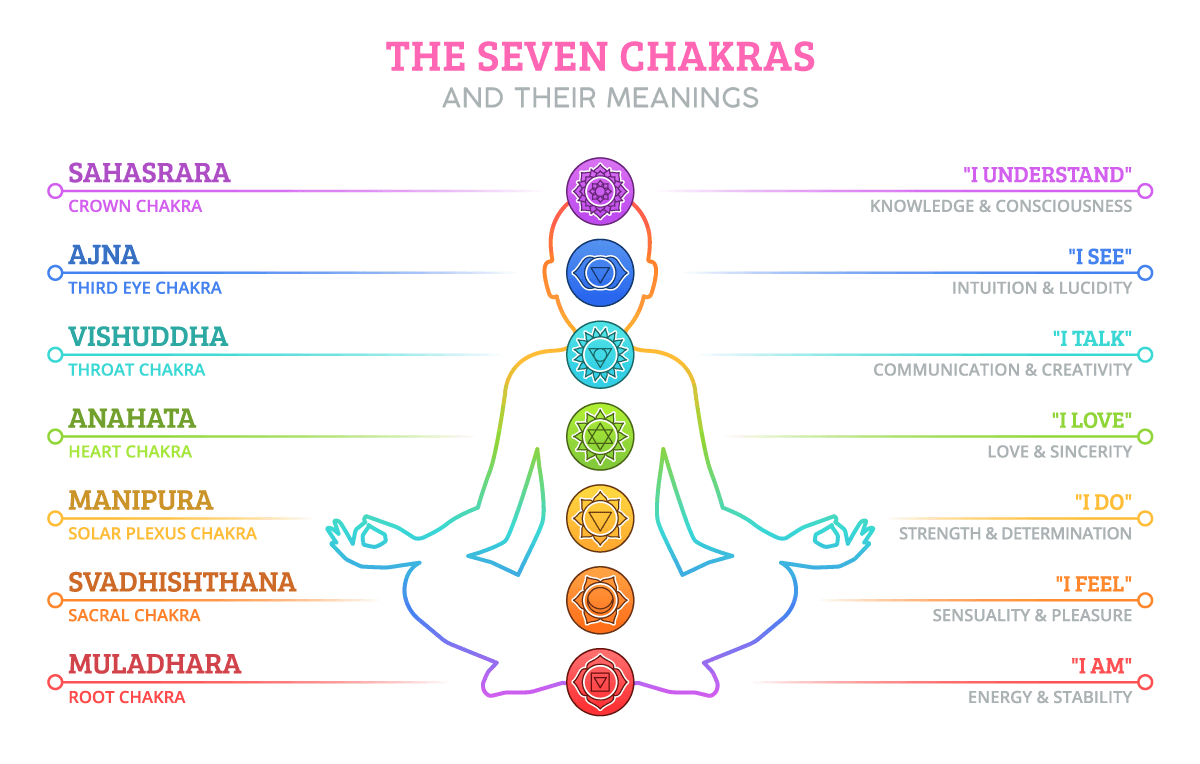
What are the 7 Chakras?

Chakra is a Sanskrit word, and it means wheel. In ancient India, Chakras were used as various forms of energy and were the focal point of the human body for meditation. The body has seven main energy centers or chakras. One can use meditation and the right mantras to activate these energy centers.

1. The Root Chakra

The Root Chakra is also known as the Mooladhara Chakra. This chakra, located at the base of the spine, is the color red. This chakra opens your feeling of security, belonging, and prosperity. Chanting the LAM (I Am) manta can help when you feel low on energy.

2. The Sacral Chakra

Also known as the Swadhisthana Chakra, this chakra is located below the navel. Its color is orange. This is a cleansing mantra and is related to sexuality, sensuality, and the desire for pleasure. Chant VAM (I Feel) to open up this chakra.

3. The Solar Plexus Chakra

Also known as the Manipura Chakra, this is located above the navel. Its color is yellow. This chakra allows you to feel powerful and control your destiny. Chant RAM (I Do) to open up this chakra.

4. The Heart Chakra

Also known as the Anahata Chakra, this is located in the chest and heart area. Its color is green or pink. This chakra is associated with love. Chant YAM (I Love), if you are experiencing difficulties in your relationship or are not feeling loving, to open up this chakra.

5. The Throat Chakra

Also known as the Vishuddha Chakra, this is located in the throat and neck. Its color is blue. This chakra is associated with your spiritual and physical voice. Chant HAM (I Speak) if you wish to open up this chakra.

6. The Third Eye Chakra

Also known as the Ajna Chakra, this is located in the center of the forehead, between the eyebrows. Its color is indigo. This chakra is associated with awareness and guidance. Chant OM (I See) to enhance the power of this chakra.

7. The Crown Chakra

Also called the Sahasrara Chakra, this is located at the crown of the head. Its color is white or purple, and it is related to the spiritual connection. Chant OM MANI PADME HUM (Praise To The Jewel in the Lotus) to release this chakra.

the Seven Chakras and their meanings chart

The Choice of Mantras

It’s a good practice to stay with one mantra for any session. Mixing mantras is not beneficial and can be confusing for your mind.

  • For spiritual intent: OM or RAM
  • For compassion: OM MANI PADME HUM
  • For relaxation, wellness, personal growth: SO HUM
  • For abundance: OM SRI MAHA LAKSHAMAI NANAH
  • To release depression: OM SRI RAMAYA NAMAH
  • To release negative thoughts about someone: OM TARA TUTTARE TURE SWAHA

Meditate For a Calmer, More Fulfilling Life

Let’s make life simple and recognize the following:

  • FEAR — we all have and can let go now.
  • ANGER — We all feel and can let go now.
  • SORROW — We all feel and can let go now.
  • JEALOUSY — We all have felt and can let go now.
  • GREED — We need to let it go now.
  • IGNORANCE — We all should listen and learn now.
  • COMPASSION — We all need and can give now.
  • LOVE — We all need and can give now.
  • GRATITUDE — We all have it, need it, and need to give it now.
  • PEACE — We all need and must locate now.

Now, let’s breathe!


source https://wellcomeomcenter.com/meditation-for-a-simpler-life/

Sunday, October 2, 2022

The Fundamental Importance of Getting a Good Night’s Sleep for Optimal Health

Quality sleep is an essential part of maintaining good health that is often overlooked. Sleep is necessary for overall wellness. Without 7-8 hours of sleep, the brain and body will be deficient in proper overall function, repair, growth, immunity, adaptability, and copiability.

It has been reported that a person who suffers from inadequate sleep can be 10 times more likely to experience depression symptoms and 17 times more likely to experience symptoms of anxiety.

But, getting good sleep at night, in order to enjoy a healthy day from sunrise to sunset, can often be daunting for some. For those unable to get or stay asleep, there may be some things you can implement to help you attain healthy sleep each night and hopefully remain there for a solid night.

Mattress & Bedding

  • Make sure your mattress is firm enough to support your entire spine.
  • Turn your mattress every four months for a longer mattress life.
  • Use a neck roll or a low comfortable pillow that does not push your neck
    up. Your neck should be close to the mattress and not bent in an upward position.
  • Consider utilizing a weighted blanket.
  • Try adding a body-length pillow to your bedding.

Comfort & Temperature

  • Do not wear heavy night clothing — be comfortable and remove tight
    undergarments.
  • Do not keep room temperature too hot — cooler is best.
  • Avoid having fans blowing directly on your face or head.

Electronics

  • Ideally, shut off Wi-Fi in the evening as soon as possible. Take off all wireless devices from wrists, neck, or anywhere on the body.
  • Consult a biological builder, if you are electrosensitive, to review and help you restructure your bedroom or any room in your house to reduce all electromagnetic frequencies that can disrupt sleep.
  • If you are electrosensitive and have an adjustable or electric bed (for example, a Sleep Number® bed), unplug the bed once you have adjusted it for comfort.
  • Use blue-blocking glasses in the evening, as the sun goes down, when reading, viewing television or other screens, or performing home activities or tasks.
  • Ensure that your room is pitch black or that you have a comfortable eye covering to prevent any light from getting into your eyes.
  • Use a battery-operated clock that is not annoying, with a tick or hum that may disturb you. If no clock is needed, even better.
  • Play a CD if you need white noise to help lull you to sleep. Avoid wireless devices that send our radiation to you.
  • Read a paper book in a low (non-intense) light that is not irritating to your eyes — leave all cellular or wireless phones, iPads, tablets, or laptops in a distant room turned off completely.

woman lying in bed reading a book

Food & Drink

  • Your last meal of the day should not be heavy, spicy, or within 2 hours of bedtime.
  • Drink only water that is not chilled in the evening before bed.
  • If you are taking medications or supplements, please ensure that they are taken at proper times so as not to cause sleep disturbances.

Good Nightime & Sleep Habits

  • Try to get some exercise in the evening a few hours before bedtime.
  • Avoid potentially disturbing phone conversations before bedtime.
  • Write down any unfinished business on a notepad for the next day and accept that you cannot do it all in one day.
  • Set a consistent time to sleep, preferably before 11 PM.
  • Take a warm bath or shower for 10 minutes maximum.
  • Do not wash your hair at night unless you plan to dry it fully.
  • Massage a non-toxic, preferably organic, skin cream or lotion onto all skin.
  • Take a nice deep breath and curl up into the most comfortable position for your body.
  • Meditate/pray/chant to relax and calm the body and spirit.
  • For safety, keep a flashlight next to the bed.
  • Be considerate of any partner and plan sleep accordingly.
  • Take a moment to be thankful for the life you have.

The Importance of Good Sleep

Sleep is so vital to our everyday functioning and overall health. Good sleep each night has many advantages, including better immune function, lower blood pressure, reduced stress, and a better mood overall.

Sleep also sets the biological clock for your body’s cell repair and detoxification.

Studies have shown that the bacteria in our gastrointestinal tract communicate with our endocrine, neural, and immune systems through our central nervous system, affecting hormones, neurotransmitters, and immune system modulators.

Combatting Sleep Problems

If you or your family suspects that you may have a sleep disorder, such as sleep apnea, restless leg syndrome, disturbing regular nightmares, or that you are sleepwalking, please see your healthcare provider right away.

For individuals who are heavy snorers or who have extreme daytime fatigue daily, you will need a polysomnogram or sleep test to determine if you are suffering from sleep apnea. A health provider can guide you on how to take care of this to reduce your chances of serious cardiovascular conditions.

Also, any regular nighttime awakenings to urinate will require a visit with a healthcare provider.


source https://wellcomeomcenter.com/importance-good-nights-sleep-for-optimal-health/

Monday, August 22, 2022

The Benefits of Intermittent Fasting & Time-Restricted Eating Plans

Intermittent fasting, or time-restricted eating, can be good for our bodies. Dr. Maria Scunziano-Singh, a naturopathic medical doctor in Spring Hill, FL, discusses how this type of eating can be good for our well-being and health.

Intermittent fasting, also known as IF, is an eating plan that aims to improve one’s health by becoming conscious of what time, how much, and why they are consuming food. With IF, you remain in a fasting state (food-free) for an extended period of time. Fasting can be 12, 16, 18 hours, or even longer, and only eating meals during a specific time range.

This type of time-restricted eating has been around for millennia. Early humans adapted to long hours, or even days, before obtaining adequate food. Ancient Greeks, like Hippocrates, Aristotle, and Plato, knew that fasting cleansed the body in many ways. Religions such as Islam, Buddhism, and Christianity have been practicing fasting since their early days.

Types of Intermittent Fasting Programs

Modern-day forms of intermittent fasting can involve several types of programs. You can change your program to one that gives your body time to expand its fat stores and provide energy to improve your life. Some popular modern plans include:

12:12
Fasting over 12 hours; eating in 12 hours, eliminating snacks after the last meal. The 12:12 plan is a good one for beginners.
16:8
Fasting 16 hours; eating in an 8-hour window of time.
20:4
Fasting 20 hours; eating in a 4-hour window of time.
6:1
Fasting for 24 hours (1 day a week); and eating a “normal schedule” of meals with snacks six days a week.
5:2
Fasting (eating 500 calories or less two days a week) and eating a “normal schedule” of three meals and snacks five days a week.
Alternate Day Fasting
Eating three meals as your schedule would allow and reducing the intake every other day to 500 calories (for example, taking two small meals).
Fasting Mimicking Diets
Consuming half as much as usual for a few days a week and then eating “normally” for 3 to 4 weeks.
OMAD
One meal a day.

So, as you can see, there are a variety of programs for intermittent fasting you can do. Finding the program that works best for you and your lifestyle is essential.

Benefits of Intermittent Fasting

The benefits of a time-restricted eating plan are many. However, it would be best if you still made sure that the foods you choose to eat are whole foods, preferably organic, and planned with your health in mind.

When choosing the foods you do eat, proteins, carbs, and fats of the highest quality should only be eaten. And, processed, fast, chemical-laden, hormone-laden, sugary, or artificially sweetened foods should not be consumed.

Remember, however, that your wellness should be holistic, and exercise, sunlight, love, and stress reduction should always be a part of your health plan.

Some benefits of intermittent fasting include:

  • Improved energy
  • Weight loss
  • Increased growth hormone
  • Improved gene expression
  • A renewed feeling of joy
  • Risk reduction and improvement for chronic diseases like heart, diabetes, anxiety, mood disorders, autoimmune conditions, arthritis, dementia, and more
  • Reduction in inflammation and markers that are measured
  • The need for less medications from improved health

Cautions of Intermittent Fasting

For those new to intermittent fasting, adjusting to a new way of eating will take time. However, if you make and take smart food in the body at the right time each day, it may change your well-being as you have never seen before.

Some side effects of starting a new IF plan may include:

  • Hunger
  • Fatigue
  • Nausea
  • Insomnia
  • Headaches
  • Altered menstruation
  • Irritability

Remember that these symptoms are only temporary as your body is transitioning into a new way of eating.

Who Should Avoid Intermittent Fasting

Some individuals may not be a good fit for intermittent fasting. If you have concerns about starting an intermittent fasting program, please seek the advice of your health care provider first.

These individuals may include:

  • People with a history of eating disorders
  • People who are malnourished
  • Pregnant and nursing mothers
  • Women who are trying to conceive or have fertility issues
  • Children under 18
  • People with diabetes

Conclusion

So, with the many benefits that intermittent fasting provides, ask yourself why you would not make this healthful choice. The right amount of fast, taken S-L-O-W-L-Y, is a winning plan!

References and Recommended Reading

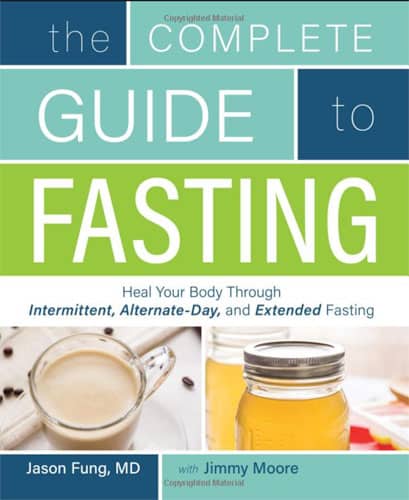
Complete Guide to Fasting book.
The Conscious Eat book.
Intermittent Fasting for Women Over 50 book.


source https://wellcomeomcenter.com/health-benefits-intermittent-fasting/

Friday, August 12, 2022

Teamwork Arts announces the launch of Awaken Florida, A Festival of Mind, Body and Soul

Facebook Event

Get Tickets

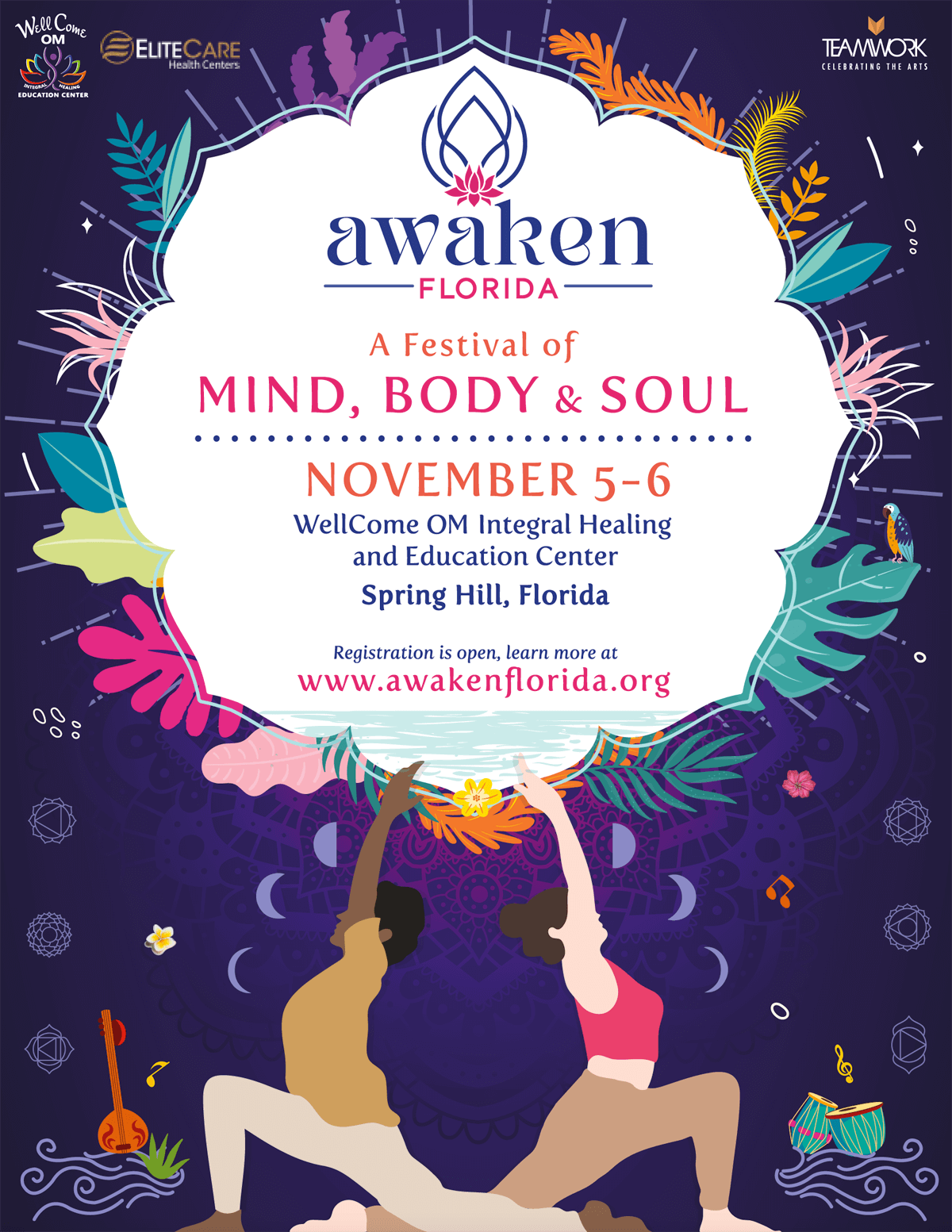
Leading Indian performing arts and entertainment company, Teamwork Arts in partnership with EliteCare Health Centers, announces Awaken Florida, a festival of mind, body and soul, scheduled to be held from 5th-6th November 2022 at the Wellcome OM Integral Healing and Education Center, Spring Hill, Florida.

The festival will endeavor to help people seek holistic healing and inner peace, focusing on mental, physical and emotional well-being. It will be open, accessible and inclusive, and will showcase music, conversations, wellness, food traditions, workshops and more. Awaken Florida believes in the power of wellness that not only empowers us but creates deep bonds within communities. Wellness practices, inspired by age-old traditions which are often overlooked in the urgency of our immediate lives, balance the physical with the mental.

Sharing his excitement at this new initiative, Sanjoy K. Roy, Managing Director, Teamwork Arts, said, “This is an initiative that truly believes in the philosophy of wellness. We are delighted to bring a unique mix of holistic well-being practices to Spring Hill with the first-ever Awaken Florida.”

Announcing the festival, Dr. Pariksith Singh, CEO of Access Health Care, said, “This festival will be a celebration of health, wisdom, music and arts, a journey of sharing and joy.”

Dr. Maria Scunziano-Singh, Founder, WellCome OM Integral Healing and Education Center, said, “With this festival, we will celebrate authentic health through the merging of international talent with the vitality of soulful music, creative art, inspiring literature, energy-giving foods and hands-on healing”.

The festival will offer attendees a choice of holistic therapies and workshops, meditation and chanting sessions and yoga, led by world-renowned mentors. Music, dance and literature that focus on inner calm will also be important strands of the festival with performances by acclaimed artists and panels with well-known writers. Organic and health-conscious food stalls, merchandise, and consultations on mindful eating are also on the anvil and will offer an opportunity for attendees to look inwards for introspection.

For more information visit www.awakenflorida.org.

About the WellCome OM Integral Healing and Education Center

The center is a unique entity that blends the skills of several beautiful individuals from varied training and expertise on a quest to simultaneously practice their treasured life skills and celebrate – in collaboration – a journey to ultimate wellness in all its facets.

Whether you seek the help of a medical doctor with a naturopathic background, a yoga instructor, life coach, nutritional counselor, or massage therapist, the WellCome OM Integral Healing & Education Center will be the source to receive authentic healing. Our goal is to educate clients on how to evaluate their lifestyle choices and empower them to achieve and sustain improved health.

Visit us online at WellComeOMCenter.com or call 352-600-4242.

About EliteCare Health Centers

EliteCare Health Centers is providing comprehensive health services for the family’s everyday well-being. The centers offer a “one stop shop” where patients receive exams, wellness checks, prescriptions, and wellness services.

The goal of EliteCare is to provide wait times less than an average doctor’s office because they are so exclusive to Freedom, Optimum, and Simply Health plans. Patients will be able to schedule appointments and get into the office faster and perhaps even on the same day.

Future plans include providing wellness services which include professional manicure services such as polish, painting, nail trimming, cuticle care, and more and dental services. With high quality dental care with stringent safety protocols for safe and effective treatment. Services will include cleanings, fillings, crowns, and much more.

The eventual goal is that except for specialist appointments the EliteCare offices will provide all healthcare at one location.

Learn more at www.elitecarehc.com.

About Teamwork Arts

Teamwork Arts is a highly versatile production company with roots in the performing arts, social action and the corporate world. For over 30 years, Teamwork Arts has taken India to the world and brought the world to India, presenting the finest of Indian performers, writers, change-makers and visual artistes in the knowledge and arts space in India and abroad.

Every year, we produce over 33 festivals in 42 cities and 17 countries in the fields of performing & visual arts and literature; our venues include Australia, Canada, Egypt, France, Germany, Hong Kong, Italy, Singapore, South Africa, Spain, Turkey, the UK and USA as well as many eclectic festivals across India. We produce the world’s largest literary gathering: the annual Jaipur Literature Festival; JLF international now travels to the US, UK, Canada and Australia and the Maldives and soon in Europe.

Even amidst the upheaval and unsettling times of 2020, Teamwork Arts successfully launched the digital series, JLF Brave New World and WORDS ARE BRIDGES, which were viewed by over 4.8 million people in their first season. Through its digital avatar, the Jaipur Literature Festival reached over 19 million viewers in January 2021 and brought together the world’s leading commentators and writers. The digital series Be Inspired was launched in 2021 – a series that crystal gazes into the future with conversations on science, technology, innovation, environment and more.

More information is available at www.teamworkarts.com.

poster for Awaken Florida Festival 2022


source https://wellcomeomcenter.com/awaken-florida-2022/

Tuesday, June 7, 2022

You and Your Pet: A Mutually Beneficial Alliance

According to the Pet Products Association, more than 62% of the US population has some type of a pet. Even if you don’t own a pet, these characteristics have been studied over the millennia as humans and animals have interacted with each other.

Are you a dog person? 39% of pet owners are. Maybe you are a cat person? 33% of pet owners have cats. Or, perhaps you prefer birds, fish, or horses.

According to a survey done by OnePoll for Mars Petcase of 1000 dog owners and 1000 cat owners, those with dogs lean towards having personality traits such as being extroverted, fun-loving, outdoorsy, social, and structured. They tend to earn more and lean towards action films for their movie choices.

While cat people are generally more reserved, introverted, curious, creative, unconventional, free thinkers who prefer to stay closer to home and like documentary films. A study done by the University of Texas showed similar results.

A woman playing outside with her cat.

Do you have combined characteristics? Maybe you prefer both types of pets. What about other creatures? Here are some descriptive words and phrases that have been compiled from various surveys and studies of personalities associated with certain species of animals

  • Birds: more social and easygoing, expressive, strong personality
  • Fish: happy-go-lucky, humorous, optimistic, calm, trusting
  • Horse: assertive, strong willed, introspective, conservative
  • Rabbits: introverted, creative, carefree, moody
  • Hamsters, Guinea pigs, Chinchillas: intellectually curious, nocturnal workers
  • Turtles: hardworking, easygoing, reliable, and punctual

A woman stroking a horse in a field.

The Health Benefits of Owning a Pet

Florence Nightingale, a world renowned nurse who was at the sides of wounded soldiers in the early 19th century, was often accompanied by an animal to help these patients deal with the misery of their wounds.

The term “Pet Therapy” was coined in 1964 by a child psychologist named Boris Levinson after he saw how his dog, Jingles, was very helpful in helping with his patients’ comfort.

Having a pet has many benefits such as:

  • Bringing joy to your life.
  • Increasing opportunities for exercise, spending time outdoors, and socializing.
  • Reducing depression and anxiety.
  • Improving your life outlook.
  • Reducing or removing loneliness with their companionship.
  • Averting boredom.
  • Improving your relationship with your doctor.

However, owning a pet is a responsibility and before taking in a pet through adoption or purchase from a breeder consider these points:

  • Costs/budget for the animal(s) — remember food, shots, vet checks, and disease possibilities
  • The expected length of life of the pet.
  • What diet is best for the pet.
  • The amount of time needed to exercise the animal.
  • The overall size of the pet.
  • The time involved to care for and clean up after the pet.
  • If you have the best atmosphere for a pet.
  • Whether a pet is allowed in your apartment, building complex, or home.
  • The people who will be around your pet.

A female veterinarian checking a dog's temperature.

Taking Care of Your Pet’s Health

It is essential that you take the best care of yourself so you can tend to your pet’s well being. Also, keep in mind that your diet is not your pet’s diet and you must not try to make it that way. While there may be some overlap, each of you has different dietary and lifestyle needs.

The differences include:

  • You need to eat healthy, organic, and balanced, preferably you will eat a diet that is high fiber, plant based foods.
  • Your dog or cat are carnivores and a diet of plants won’t work for them. They need little or no grains and no artificial anything!
  • Horses and rabbits are herbivores and must take in appropriate types of plant protein.
    Fish and reptiles have a more varied diet.
  • Dogs, cats, and rabbits that go out in grasses and other grounds should have regular baths and you should even clean their paws and snouts to remove chemicals and other debris.

Some similarities between you and your pet include:

  • A need for regular exercise.
  • Plenty of fresh water on a daily basis.
  • The least amount of processing and organic is best for you both, whether it be food, hygiene, and other types of materials for toys, bedding, and snacks.
  • You should both avoid chemicals, especially Glyphosate in products like Roundup.
  • Supplements of omega fats.
  • Touching, stroking, petting, and massaging.
  • Clean air, proper ventilation, and proper environmental temperatures.
  • Frequent socialization.
  • The need for love and affection — when you say “I love you” to your dog, the animal will respond with equal affection.

When owning a pet, it’s also important to pay attention to your animal’s behaviors. Is it acting differently than normal? Is it barking excessively, cowering, itching, unable to run, slow in movement, not eating, or chewing on grass excessively? There may be some unmet needs in your pet that they are signaling you to.

You may need to:

  • Check the food and water of the animal.
  • Have a vet check your pet and perform an allergy panel.
  • Make sure your pet hasn’t ingested something irritating or toxic.

Just as you would evaluate your health and see a doctor or health care provider if you were feeling poorly, as a pet owner you must make sure your pet is well taken care of too.

Holistic Care of Your Pet

Just like with holistic health care in humans, holistic pet health care is an approach by which every aspect of the pet including food and nutrition, lifestyle, activity level, supplements, medicine and treatments is considered as part of a program of health.

The trend towards holistic care of a pet makes sense. Purity and excellence of food, environment, treatments and overall respect for the animals is what holistic care is here to accomplish.

Treatments of acupuncture, massage, herbal medicines, chiropractics, and other types of holistic care that humans use, can also be utilized with pets.

A young girl holding a bunny rabbit.

A World Without Animals

It’s tough to imagine a world without animals. If we want to keep our pets and wildlife protected and around for the next generations, it’s high time that we are paying attention to the care of the environment around us.

Currently, there is an inordinate number of domesticated animals developing cancers, diabetes, arthritis, and allergies. Poor care of pets comes from lack of education on how to care for them. Humans have trouble caring for themselves for the same reason and more.

A very alarming statistic is the diabetic rise in cats and dogs in today’s world. Since 2006, there has been a 79% rise in canine diabetes, according to the Banfield State of Pet Health Report.

An equally disturbing statistic is the rate of cancer in dogs and cats. 1 in 65 dogs and 1 in 80 cats will be afflicted with cancer. The reasons for this rise include things like obesity, low quality food and drink, and chemical poisoning in the environment. Also, as pets spend more time in pens, cages, small areas, apartments, and inside the homes of sedentary owners, they don’t get the activity that they need on a daily basis.

But, will this mean the extinction of domestic animals? It’s not likely in the near future, however if we continue to pollute our lives and theirs it will be a sad future for everyone.

According to the U.N. Convention on Biological Diversity, there may be more than 100 species of creatures becoming extinct every day. This is controversial but it may very well be the reality we face.

Since the 1600s, humans have driven over 680 vertebrae species to extinction including the Pinta Island Tortoise. The last of this species — a giant tortoise named Lonesome George — died on the Galapagos Island in 2012.

Chemical pollution of air, water, earth, and sky, with cheap, artificial materials like plastics and petroleum products, as well as hunting, fishing, modern development, deforestation, artificial intelligence and all the cellular technology in this world are destroying our lives, along with all of the creatures.

Let’s do better and keep our animals with us for mutual health benefits!


source https://wellcomeomcenter.com/you-your-pet-mutually-beneficial-alliance/

Thursday, May 12, 2022

The Importance of Vitamin B12 To Our Body

Did you know that vitamin B12 is essential for our bodies to function normally? Dr. Maria Scunziano-Singh, a naturopathic medical doctor in Spring Hill, FL, discusses the importance of this vitamin to our well-being and health.

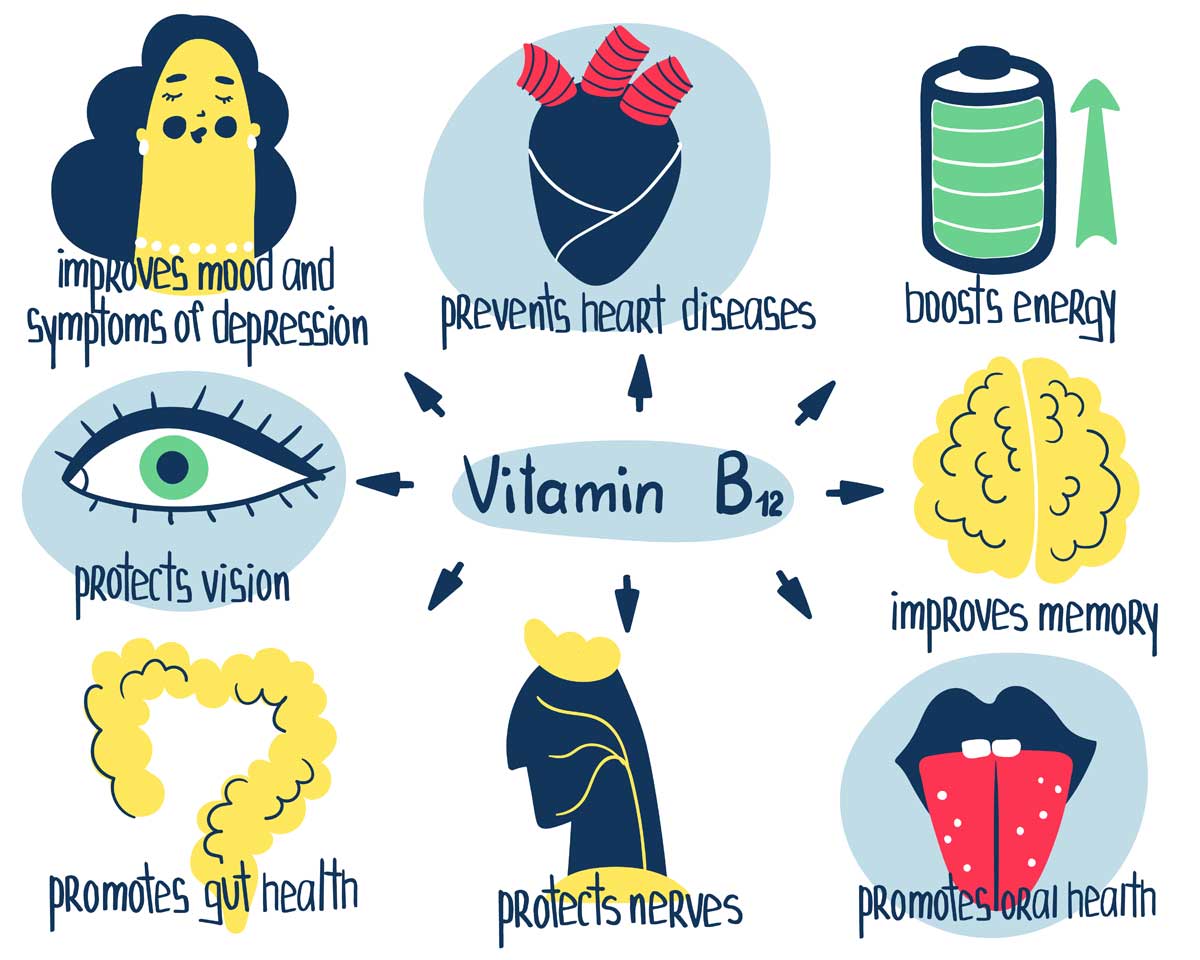
Vitamin B12 is responsible for many important functions in our bodies, including energy production, DNA synthesis, and red blood cell formation. It also helps keep our nervous system healthy and can play a role in preventing heart disease.

If you’re not getting enough vitamin B12 in your diet, you may start to experience some symptoms such as fatigue, weakness, constipation, or loss of appetite. In severe cases, a lack of vitamin B12 can lead to anemia or neurological problems.

What Is Vitamin B12?

Vitamin B12 is a class or group of chemically related compounds. The most common form is cyanocobalamin, a synthetic form used in pharmaceuticals and supplements that is stable and lower cost than others in the class. A more physiological form of B12, methylcobalamin, is also available with a higher cost but it is purported to be more bioavailable (able to be used by the body efficiently).

Vitamin B12 is an essential vitamin that a person needs to function normally. Our bodies cannot naturally synthesize it so it must be ingested from food or supplemented in the following forms: taken under the tongue (sublingual), intranasal (as a gel via nostril), or intramuscular (as an injection).

Because it is water soluble, it dissolves in water easily. It enters through the digestive tract or directly into the bloodstream in the body. The B12 is used by cells, and any unused B12 is eliminated through the kidneys when you urinate.

Vitamin B12 is found naturally in animal products, including fish, poultry, eggs, meat, animal milk (cow, goat), and their products, yeast, and certain algae.

All vitamin B12 is naturally synthesized by bacteria — and ONLY by bacteria. These organisms are mainly found in fish and livestock and to a lesser degree in plants.

Commercially produced B12 is from fermented bacteria. The most commonly used bacteria species currently are Propionibacterium shermanii and Pseudomonas denitrificans.

What Does Vitamin B12 Do For You?

Vitamin B12 plays an essential role in red blood cell production, energy production, cell metabolism, fat production and metabolism, and hormone production. It is also responsible for the manufacture and metabolism of protein, DNA (gene) synthesis, and helping our bodies maintain nerve function.

chart showing the benefits of vitamin b12.

How Do You Get Vitamin B12?

Our primary sources for vitamin B12 are animal products, including fish, poultry, eggs, meat, milk, and milk products. Beef liver contains the highest content of vitamin B12, while eggs, milk, and chicken have much less per ounce.

Plants are generally not adequate sources of B12; however, nutritional yeast, fortified cereals, and fortified soy products and energy bars can be sources of vitamin B12. However, be aware that nutritional yeast alone is not known to contain sufficient B12 or even well-absorbable B12. Therefore, it should be fortified for the best nutritional value.

Vitamin B12 Facts of Interest?

Here are some interesting facts about Vitamin B12:

  • Cobalt, a trace soil mineral, is needed by grazing animals to form B12. It is the cobalt that is the key element in allowing for B12 vitamin production. Cobalt itself is not used by the body but the substance it yields is the B12.
  • Cyanide is a by-product of B12 metabolism but it is minimal and does no harm to our systems as of current scientific knowledge.
  • Intrinsic factor, a natural chemical formed in the human stomach must be present for proper digestive absorption of B12. Aging, certain drugs (especially antibiotics), diseases and surgery can all disrupt or interfere with B12 absorption.
  • About 50% of an oral dose of 1000mcg of vitamin B12 can be absorbed, but this absorption decreases if the threshold of intrinsic factor is exceeded (>2000mcg).
  • Pernicious anemia is a very serious condition in which stomach cells with intrinsic factor are attacked by the immune system.
  • Vitamin B12 is given intravenously to treat cyanide poisoning.
  • Vegans are very strongly advised to add B12 supplementation to their diets.

Who Is At Risk For a Vitamin B12 Deficiency?

A specific subset of our population may be at risk for a vitamin B12 deficiency, including vegans, strict vegetarians, individuals with Celiac, Crohn’s Disease, and malabsorption or gastrointestinal tumors. Also, those at risk include people who have had bariatric surgery for weight reduction and a fetus or infant whose mother is B12 deficient.

Vitamin B12 is mainly stored in the liver, but a reduction in storage will occur with low or no intake. We store anywhere from 2 to 5 milligrams in the body, with 50% in the liver.

Those who are pregnant or trying to become pregnant, who follow a vegan lifestyle or fall into one of these at-risk groups, must get vitamin supplementation or fortification during this time. Please discuss this with your medical care provider.

Vitamin B12 Deficiency Manifestations

Once the body’s stores of vitamin B12 are diminished due to lack of intake or absorption, or both, serious health issues will arise. It is only when one replenishes the B12 that catastrophic events can be prevented.

You can be examined for possible B12 deficiency by visiting a healthcare provider. You may not realize that you have problems associated with vitamin B12 deficiencies.

When your levels of B12 become low you can start to experience symptoms such as:

  • Fatigue (being very tired constantly)
  • Weakness
  • Constipation
  • Weight loss
  • Loss of appetite
  • Numbness or tingling in your hands and feet
  • Loss of balance
  • Confusion
  • Depression
  • Poor memory
  • Soreness of the mouth or tongue
  • Blurred vision
  • Hallucinations
  • Personality changes

Of course, many of these problems may not be due to a B12 deficiency. Since there is no entirely consistent and reliable set of symptoms, you must have a medical doctor check for a vitamin B12 deficiency or any other issues that may cause these symptoms. If you have the symptoms mentioned above, please do not ignore the warnings!

Many people with low vitamin B12 may not have deficiency symptoms for 20 years or more. However, this fact remains elusive, and some explanation may be that analogs or substitute vitamins or enzymes may serve the purpose of bodily balance when B12 has not been sufficiently replenished.

Folate is an important substance found in most green plant foods. It may be one of the substances that will allow for longer periods without B12, which could account for this. However, it should not be considered an answer to B12 problems.

Measuring Vitamin B12?

A blood sample is the best way to know where your B12 levels stand. Levels above 500 are adequate for most people. Some other things to measure:

  • Methylmalonic acid (an enzyme that will be elevated in deficiency), by blood sample; will be reduced in urine sample
  • Complete blood count, by blood sample
  • Homocysteine level, a blood enzyme to sample that can be an indirect source of detecting B12 deficiency (see high levels)
  • Folate or folic acid levels in blood sampling are other indirect means of checking for B12 deficiencies (see low levels)

US Recommended Daily Allowance For Vitamin B12

The U.S. recommended daily allowance for vitamin B12 for adults is 2.4 mcg, with nursing moms needing up to 2.8 mcg.

Taking in 1 mcg of B12 in food form three times a day is good practice for most adult individuals.

If you use a supplement, 500-1000mcg a day or every other day can be safely taken because you will usually absorb only half the intake; less absorption will occur with persons eating little-to-no animal products and over the age of 50 in general.

foods with natural sources of vitamin B12

Vitamin B12 Foods & Supplements

According to the Foods Standards Agency and The Vegetarian Society of the U.K., we need to be aware of vitamin B12 sources and consume B12 daily in adequate amounts to prevent severe health conditions.

To get vitamin B12 from foods you should be eating things such as:

  • Meat
  • Milk
  • Eggs
  • Fish

When consuming meat and dairy products, ingesting animal products that are not from grass-fed or humanely-raised livestock means you may be taking in antibiotics and other chemicals that will affect B12!

You can get smaller amounts of B12 from thing such as:

  • Tempeh (fermented tofu)
  • Chlorella
  • Organic land veggies that have not been washed
  • Seaweeds

It is important to take these above plant foods often if animal products are not an option for your diet. While the value of plants in our diet cannot be overstated, do not rely on a few plants alone for B12. It would be best if you had a wide variety of, preferably organic, plants, and you should also consider a supplement.

Fortified cereal, soy, or other vegetarian products usually also contain absorbable B12.

Supplements can be either over counter purchased or medically prescribed. If your physician in Hernando County, or wherever you are located, is unaware of your intake or that you are at risk for a deficiency, please discuss any symptoms you may have that would prompt investigation and possibly a prescription.

Drug Interference With Vitamin B12

There are more than 1,000 different medicines, over-the-counter or prescribed, that will interfere with B12 in the human body. The following commonly used medications can and will cause B12 levels to drop:

  • Metformin – for diabetes
  • Antacids and proton-pump inhibitors – daily use can deplete many essential vitamins and minerals
  • Oral contraceptives and estrogen replacement
  • Anti-seizure medicine
  • Blood pressure lowering meds – like beta blockers
  • Ibuprofen
  • Aspirin
  • Cholesterol lowering meds
  • Benzodiazepines – like Valium, Xanax, Ativan, Temazepam
  • Antibiotics

If you are one or more of these medications, you are strongly advised to supplement vitamin B12, because even so called “adequate daily consumption” may be largely inadequate with poor health outcomes.

Talk to your medical or other healthcare providers who may be able to guide you further.

If you feel a single provider is not helping you, seek more advice on how best to improve your overall health.

Take charge. It is your life – protect it well.

References and Recommended Reading


source https://wellcomeomcenter.com/the-importance-of-vitamin-b12-to-our-body/