Pages

Thursday, November 30, 2023

Scams, Frauds & Other Horrors: Why Does This Happen

In our modern, hyper-connected world, the interplay of technology and human interaction has transformed our daily lives. This transformation, while bringing numerous benefits, also opens the door to a darker side – scams and frauds. These deceptive practices are not just a trivial inconvenience; they represent a significant threat to personal security and financial well-being. Understanding the nature of scams and frauds, their evolving forms, and their impact on individuals and society is crucial.

Introduction: Navigating the Digital Maze

The FBI’s Internet Crime Complaint Center’s annual report for 2020 noted over 791,790 complaints of suspected internet crime, a significant increase from the previous year, with reported losses exceeding $4.2 billion. The top crimes reported were phishing scams, non-payment/non-delivery scams, and extortion, with the emergence of COVID-19 related scams as well.

In this comprehensive exploration, we delve into the mechanisms of scams, how they exploit human psychology and technology, and the effective strategies to shield ourselves from these digital predators.

What is a Scam? Unraveling the Deception

Scams are intricately crafted strategies, designed to deceive and manipulate. They are the modern-day equivalent of age-old cons, updated for the digital era. These deceptive schemes cleverly exploit new technologies, societal trends, and even global crises, adapting rapidly to changing environments. Scammers, often perceived as shadowy figures in the digital realm, are not just targeting the gullible or naive; they are sophisticated enough to trap even the most vigilant individuals. Understanding the common tactics used in scams is the first line of defense in this ongoing battle against digital deception.

The Anatomy of Scams

Whether it’s through digital money traps, illusory investments, or manipulative solicitations, these strategies are designed to exploit trust and manipulate emotions. By understanding these key approaches — the art of persuading victims to transfer funds, the allure of non-existent lucrative opportunities, and the exploitation of human emotions — we can better prepare ourselves to identify and avoid these deceptive tactics.

  • Digital Money Traps: Scammers artfully persuade victims to transfer funds to fraudulent accounts, often using compelling stories or urgent requests.
  • Illusory Investments: They concoct elaborate schemes about non-existent products or services, luring victims with the promise of lucrative returns.
  • Manipulative Solicitations: Convincing individuals to part with their money under the guise of various pretenses, these scams often play on emotions like sympathy or fear.

Decoding Fraud: The Hidden Danger

Fraud, the more insidious cousin of scams, involves complex schemes of deception for personal or financial gain. It’s a betrayal of trust, using one’s personal or financial information without consent. The sophistication and variety of frauds make them particularly dangerous, as they can range from unauthorized transactions to complete identity takeovers. Recognizing the signs of fraud is essential in safeguarding personal information and financial assets.

Exploring the Facets of Fraud

  • Unauthorized Transactions: These occur when fraudsters gain access to your credit or debit cards, making unauthorized purchases or withdrawals.
  • Account Takeovers: A more invasive form of fraud where scammers gain complete control over your bank accounts, often without your knowledge.
  • Identity Theft Dangers: Perhaps the most alarming, this involves scammers using your personal details to open accounts, make purchases, or commit crimes in your name.

Strategies for Self-Protection

In this era of digital threats, protecting oneself requires a multifaceted approach. From being cautious about phone calls to securing personal documents, the key lies in proactive and preventive measures.

Fortifying Against Scams and Frauds

  • Phone Call Vigilance: In an age where unknown calls could spell danger, it’s wise to exercise caution. Avoid engaging with unrecognized numbers or callers who fail to identify themselves clearly.
  • Digital Footprint Control: With social media being a treasure trove of personal information, setting profiles to private is a crucial step in controlling one’s digital footprint.
  • Document Safety: Physical statements, often overlooked, can be a source of valuable information for scammers. Proper disposal, such as shredding, is essential.
  • Verifying Identities: In any transaction or interaction, knowing who is on the other side is vital. This simple step can prevent many potential scams.
  • Financial Prudence: A healthy skepticism towards requests for money or sensitive information can save one from many scams. When in doubt, it’s better to err on the side of caution.
  • Business Verification: Before engaging with any company, especially for financial transactions, using resources like the ABN lookup website for verification is a smart move.
  • Payment Method Awareness: In transactions, using credit cards can offer an additional layer of security compared to direct bank transfers or debit cards.
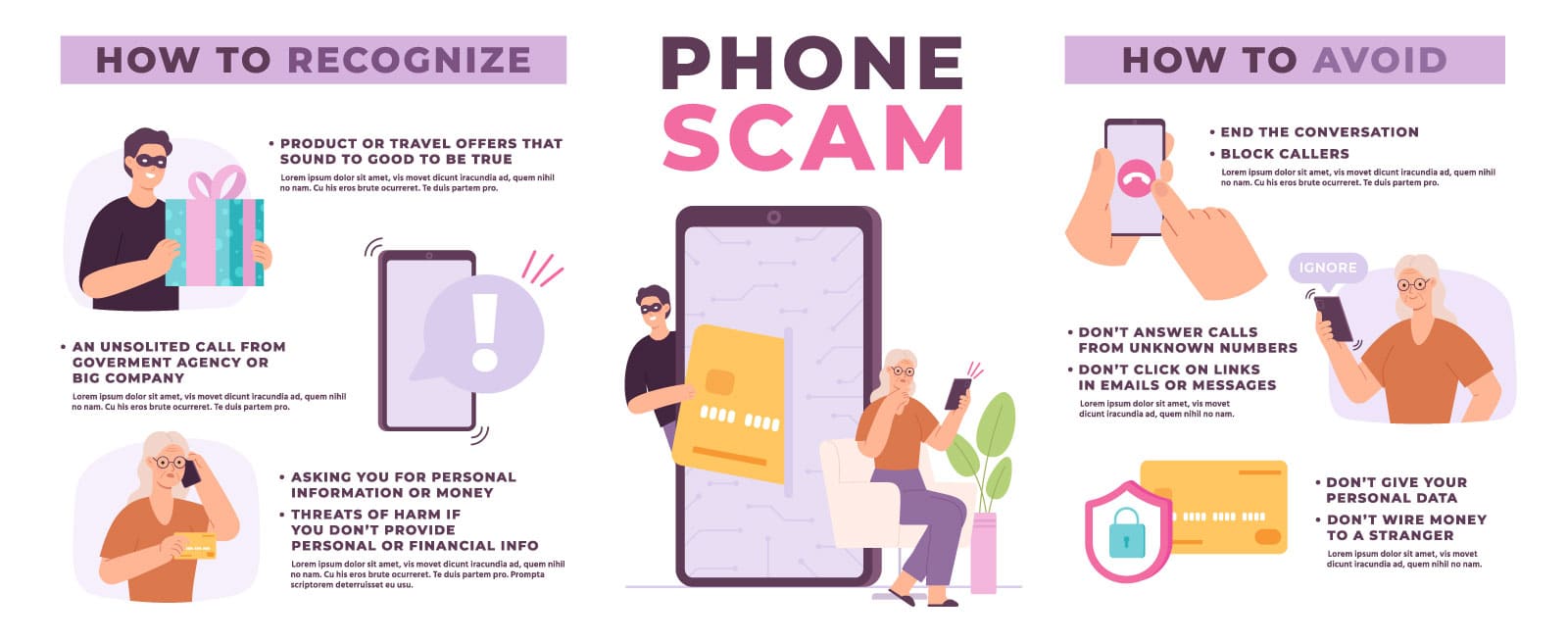
phone call scam infographic

Recognizing Common Scams

In an ever-evolving digital landscape, scammers continuously devise new methods to exploit unsuspecting victims. The Consumer Financial Protection Bureau highlights the importance of staying informed about these deceptive tactics, as awareness is a critical defense against financial loss. Scammers are adept at adapting to changing circumstances and technologies, creating a myriad of scams that target individuals in various ways. This section aims to shed light on some of the most common types of scams, providing knowledge that can help you stay one step ahead of these fraudulent schemes.

  • Phone Scams: These include a range of deceptive calls, from robocalls that mimic human interaction to impersonators attempting to gain trust or information.
  • QR Code Traps: A new digital menace where scammers overlay legitimate QR codes with fraudulent ones, leading to harmful websites or transactions.
  • Romance Deceptions: Scammers exploit emotional connections, often in online dating scenarios, leading victims to financial loss and emotional trauma.
  • Consumer and Business Targeting: Scams in this category prey on both individual consumers and businesses, offering fake products or services.
  • Threats and Extortion: Some scammers resort to intimidation, threatening personal safety or digital security to extort money or information.
  • Bank Impersonation Frauds: A dangerous form where fraudsters pose as bank officials to gain access to your banking information. According to Experian, the most common type of fraud is the imposter scam, where someone misrepresents themselves to extract money or personal information from their victim. In 2021, consumers lost a total of $5.8 billion to fraud, with $2.33 billion of that to imposter scams alone.
  • Cryptocurrency Scams: With the rise of digital currencies, these scams have become prevalent, often promising high returns in unregulated markets.
  • Investment Schemes: Scammers create elaborate, false opportunities for investment, preying on the enthusiasm and trust of unsuspecting individuals.
  • Student Loan Scams: Exploiting political and economic situations, these scams target vulnerable individuals struggling with student debt.
  • Employment Scams: Offering non-existent high-paying jobs or quick money-making schemes, these scams play on the desire for financial stability. The Federal Trade Commission (FTC) warns about employment scams, such as fake job listings on legitimate platforms like ZipRecruiter and Indeed, where scammers impersonate real employers.
  • Identity Theft Scams: These involve stealing personal information for various fraudulent activities, often leaving the victim with financial loss and a tarnished reputation.
  • Social Media Product Scams: With the rise of e-commerce on social media, scammers advertise non-existent products at attractive prices, only to abscond with the payment.
  • Professional Network Scams: Platforms like LinkedIn are not immune to scams, where fraudsters create fake profiles to exploit professional relationships.
  • Delivery Scams: Misleading messages about package deliveries can lead to sharing personal information or receiving unwanted items.
  • Check Fraud: A traditional scam where checks are altered to redirect funds, still prevalent in the digital age.
  • Pet Purchase Scams: Exploiting animal lovers by advertising pets that don’t exist, these scams play on emotions and the desire for companionship.

Why Do People Commit Fraud? Unpacking the Motives

Understanding the root causes of occupational fraud is crucial in its prevention. Criminologist Donald R. Cressey’s Fraud Triangle Theory sheds light on this complex issue. It articulates three pivotal factors — financial pressure, rationalization, and opportunity — that converge to propel individuals toward fraudulent activities. This conceptual framework not only dissects the mechanics of fraud but also delves into the psychological journey, from initial moral reservations to a gradual shift in ethical boundaries, leading to the rationalization of such acts.

The Cressey’s Fraud Triangle
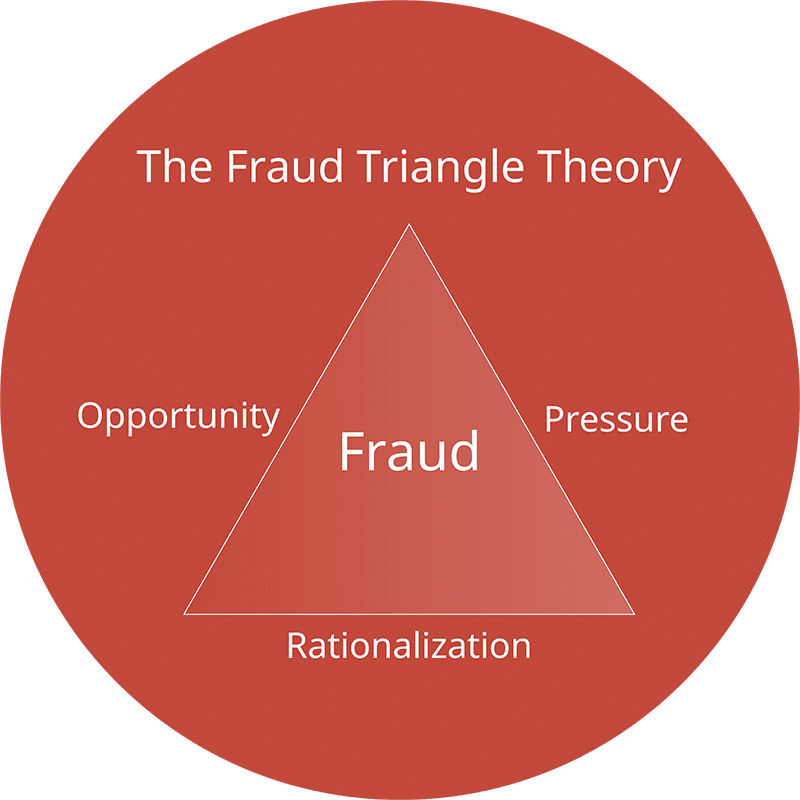
fraud triangle theory Criminologist Donald R. Cressey’s fraud triangle theory outlines three conditions leading to higher instances of occupational fraud: motivation, opportunity, and rationalization. This model explains that when someone has a reason for committing fraud, the chance to do so without getting caught, and can justify their behavior, they’re more likely to commit an occupational crime.

  • Motivation: Financial pressure is the driving force behind many frauds, where individuals feel compelled by financial needs or desires.
  • Opportunity: The final component, where individuals see a chance to commit fraud without the risk of getting caught.
  • Rationalization: Fraudsters often justify their actions, convincing themselves that the fraudulent act is necessary or not entirely wrong.

Insights from Inside the Mind of Fraudsters

  • Perceived Necessity: Many justify their actions under the guise of a pressing need.
  • Initial Moral Hesitation: The transition from the idea of fraud being unthinkable to a viable option.
  • Moral Ambiguity: Over time, actions that once seemed dishonest become less so, indicating a shift in moral judgment.

The Psychological Toll of Scams and Frauds

Scams and frauds inflict more than just financial harm; they also have a profound impact on the emotional well-being of their victims. The psychological toll of these experiences is often overlooked. It’s crucial to acknowledge the range of physical and emotional symptoms that can arise from the stress of being scammed, as well as the importance of effective coping mechanisms. Recognizing and addressing these impacts is essential for the holistic recovery and resilience of individuals who have faced such deceptive crimes.

Understanding the Emotional Aftermath

  • Physical and Emotional Symptoms: The stress from being a victim can manifest in various physical symptoms, including anxiety and depression.
  • Coping Mechanisms: Taking a step back, practicing mindfulness, and seeking support from loved ones or professionals can be immensely helpful in these situations.

Seeking Help and Support

Facing the aftermath of scams and frauds can be daunting, but it’s important to remember that support and resources are available. From specialized support groups to law enforcement agencies, understanding where to turn for help is a critical step towards recovery and safeguarding oneself against future threats. This guidance not only offers practical solutions but also provides a sense of empowerment and reassurance in the wake of such challenging experiences.

WellCome OM Center: Our support group, led by wellness coach Diane Friedberg, offers a safe space for victims of scams and frauds.

Law Enforcement: Local authorities can provide valuable advice on protecting your identity and assets, and assist in case of fraud.

Conclusion: Staying One Step Ahead

In the fight against scams and frauds, knowledge is power. Staying informed, vigilant, and questioning anything that seems suspicious are the best defenses in our increasingly digital world. Remember, if it seems too good to be true, it probably is.


source https://wellcomeomcenter.com/scams-frauds-other-horrors-why-does-this-happen/

Monday, November 27, 2023

The Essence of Being: How Food Shapes Our Evolution and Destiny

In the intricate tapestry of life, food plays a role far more profound than merely sustaining our physical existence. It’s the cornerstone of our evolution, shaping not only our bodies but also our minds and the very essence of our being.

The Philosophical Connection Between Food and Existence

The profound words from the Bhagavad Gita, “All beings are evolved from food,” initiate a contemplative journey into the essence of our existence and the role of food in it. This ancient wisdom aligns seamlessly with Ralph Waldo Emerson’s perspective, which sees each individual as a manifestation of the universal mind, influenced by the vast forces of nature and the cosmos. The air we breathe, the light from distant stars, and the balance of forces that maintain our physical poise are all interconnected elements that shape our being.

The Human Body: A Microcosm of the Universe

This interconnectedness is further exemplified in the concept that our bodies are a microcosm of the universe. Each part of our physical makeup, from the mountains and waterfalls mirrored in our internal landscapes to the celestial galaxies reflected in our brains, signifies a deeper, cosmic connection. This understanding suggests that every cell or organ in our body not only represents the whole but also the entirety of the universe.

Biological Evolution and Our Dietary Choices

The intriguing idea that we recapitulate the entire evolutionary process through our diet brings a new dimension to the act of eating. Consuming a preceding species, be it plant or animal, symbolically incorporates that species into our own evolutionary journey. This concept echoes an ancient understanding, like in the Gospel According to Thomas, where the transformation of species through consumption is highlighted when Jesus said: “Blessed is the lion which man eats and the lion will become man; and cursed is the man whom the lion eats and the man will become lion.”

The Cycle of Life and Evolutionary Transformation

The biological process of evolution, spanning over billions of years, is repeated daily in the transformation of countless animal and plant species. This constant flux, from simple single-celled organisms to complex multicellular beings like humans, illustrates life’s dynamic and ever-changing nature. The fact that humans can consume almost all preceding species underscores our position in this evolutionary chain.

The Transition to Human Food

As human beings, our dietary needs evolve. From the animal-based nutrition received in the womb and early infancy, through the mother’s blood and milk, there is a shift towards what is termed ‘human food’ – a diet consisting of grains, vegetables, fruits, nuts, beans, sea vegetables, fish, fermented foods, and smaller life forms. This shift is crucial for our development and aligns with the broader evolutionary process.

You Are What You Eat… and What They Ate

The significance of our food choices extends beyond mere nutrition. It reflects our mental and physical conditions, impacted by what our food sources have consumed – whether it’s GMOs, pesticides, or other substances. We hold the responsibility for our well-being in our dietary choices.

The Key to Health, Wisdom, and Social Harmony

Our journey towards health, wisdom, freedom, happiness, social harmony, and world peace is intricately linked to our food choices. Understanding how to select, prepare, and harmonize our diet with the natural environment is pivotal. It’s not just about what we eat, but the order and proportion of our consumption that guides our evolutionary progress or decline.

Conclusion: The Turning Point in Evolutionary Development

Our evolution, both personal and collective, hinges on our dietary choices. Proper eating is not just a matter of personal health but a critical factor in the trajectory of human evolution. Our choices at the dining table are, in essence, choices about the kind of beings we aspire to become.


source https://wellcomeomcenter.com/the-essence-of-being-food-evolution-destiny/

Monday, November 6, 2023

WellCome OM Center Announces Grand Opening of The Conscious Café: A Journey Toward Conscious Eating

The WellCome OM Center is thrilled to announce the grand opening of The Conscious Café at OM. Located at 4242 Lake in the Woods Drive in Spring Hill, the café invites the community to indulge in a culinary experience centered around gluten-free, dairy-free, and vegan options, meticulously curated to optimize nutrition and health.

Celebrate With Us!

Mark your calendar for our Grand Opening event on Monday, November 13, 2023, from 9 am to 3 pm. The celebration will feature tastings of our seasonal fall menu, as well as a special ceremony led by Dr. Maria at 12 pm. To RSVP and get real-time updates about the event, please visit our Facebook Event Page at https://www.facebook.com/events/297519059810015.

Vision & Mission

According to Dr. Maria Scunziano-Singh, Naturopathic Medical Doctor and founder of The WellCome OM Center, the vision behind The Conscious Café is “to take the community on the path of clean whole food that is simple, elegant, and nourishing for true health—for life.” The mission expands on this vision: “To deliver, foster, and nurture conscious cooking and translate it to conscious eating.”

Nourishment for Body & Mind

“At The Conscious Café, we believe that every morsel you consume should be the best possible quality, as it will inevitably become a part of you,” says Dr. Maria. She further elaborates on conscious eating with the following guidelines:

  • Select your environment carefully: The setting in which you eat matters.
  • Chew with intention: Be present and mindful as you eat.
  • Use the balance in nature: Leverage natural foods for holistic health.
  • See food as a tool for life: Make choices that nourish your body and soul.

Hours of Operation

Currently, The Conscious Café is open Monday through Friday, from 9 am to 3 pm, and is closed on weekends. Though they do not currently offer delivery or call-ahead orders, these services will be introduced soon.

Dr. Maria encourages everyone to “stop eating without thinking, and begin to eat with intention and purpose. Your body will thank you.”

For more information about The Conscious Café and its offerings, please visit thecafeatom.com or call 352-600-4242.

About the WellCome OM Integral Healing and Education Center

The WellCome OM Integral Healing and Education Center is a unique haven that brings together a range of skilled professionals from various disciplines. Together, they embark on a shared mission toward holistic wellness. Whether one is in search of a medical doctor with naturopathic insight, a yoga expert, a life coach, a nutrition advisor, or a massage therapist, the center stands out as the go-to place for genuine healing. At its heart, the center’s primary goal is to educate individuals about healthy lifestyle choices, equipping them to attain and maintain optimal health.

About The Conscious Café at OM

Nestled within the WellCome OM Center in Spring Hill, FL, The Conscious Café at OM is more than just a dining destination; it’s a journey into the realm of conscious eating. Our seasonally rotating menu is predominantly gluten-free, vegan, and dairy-free, crafted with an eye for optimal nutrition and overall wellness. Founded by Dr. Maria Scunziano-Singh, a leading expert in holistic health, the café aims to transcend traditional food service. We focus on nourishing not just the body but also the soul. Our ethos is simple yet profound: what you eat should be a deliberate and enriching experience.


source https://wellcomeomcenter.com/grand-opening-cafe/

Tuesday, October 17, 2023

Awaken Florida 2023: An Enriching Festival for the Mind, Body and Soul Returns to Spring Hill

Spring Hill, FL – Scheduled for December 2nd and 3rd, from 10:00 AM to 6:00 PM, Awaken Florida 2023 stands as a beacon of holistic wellness and self-exploration. Nestled in the serene surroundings of the Wellcome OM Integral Healing and Education Center in Spring Hill, Florida, this event offers a haven from the hustle of everyday life, focusing on the nourishment of mind, body, and spirit.

The festival honors age-old wellness practices, guiding participants toward the rejuvenating powers of spiritual, mental, physical, and emotional harmony. Attendees have a variety of experiences to dive into—soulful music, engaging discussions, wellness routines, traditional cuisines, comprehensive workshops, and more. Wellness, as a transformative force for personal development and community connection, remains central to the festival’s philosophy.

A carefully crafted two-day agenda intertwines enduring traditions like yoga, meditation, and therapeutic healing practices. The break of dawn ushers in a wave of energizing music, refreshing yoga sessions, and the heartbeat of rhythmic drumming. As the day unfolds, insightful lectures, immersive workshops, and learning sessions take the forefront. Evening descends with the allure of performances by globally renowned artists.

Join Dr. Maria Scunziano-Singh, the founder of the WellCome OM Integral Healing and Education Center, for an enlightening garden walk emphasizing mindful eating and the benefits of growing your own food. Delve into the world of homesteading through expert-led presentations and get entranced in an immersive sound-healing experience resonating with the harmonies of crystal bowls and age-old musical instruments.

Visitors can step into a magical butterfly and ladybug exhibit, where they can meander and even feed the fluttering inhabitants. The young ones are in for a treat with delightful children’s theater performances. Art enthusiasts can revel in live art demonstrations, witnessing creativity unfold in real time.

As the festive season approaches, Awaken Florida 2023 brings a holiday market, showcasing vendors offering conscious products that resonate with the festival’s ethos.

Dr. Pariksith Singh, CEO of Access Health Care, extended an open invitation: “Join us at Awaken Florida, an event breathing life into the very soul of mind, body, and spirit.”

Building on the inaugural success of the previous edition, this year welcomes the partnership of Teamwork Arts with EliteCare Health Centers. Sanjoy K. Roy, Managing Director of Teamwork Arts, remarked, “This festival is dedicated to nurturing the connection between the mind, body, and soul through a wide array of offerings. We are excited to once again bring Awaken Florida to Spring Hill, offering a unique blend of conversations, workshops, performances, wellness sessions, and much more.”

To delve deeper into the Awaken Florida experience or to reserve your spot, visit the Wellcome OM Center’s website at https://wellcomeomcenter.com/awaken-florida-2023. Secure your free tickets now on Eventbrite.

Awaken Florida 2023 announcement

About WellCome Om Integral Healing and Education Center

The WellCome OM Integral Healing and Education Center is a unique haven that brings together a range of skilled professionals from various disciplines. Together, they embark on a shared mission toward holistic wellness. Whether one is in search of a medical doctor with naturopathic insight, a yoga expert, a life coach, a nutrition advisor, or a massage therapist, the center stands out as the go-to place for genuine healing. At its heart, the center’s primary goal is to educate individuals about healthy lifestyle choices, equipping them to attain and maintain optimal health.
https://wellcomeomcenter.com

About EliteCare Health Centers

EliteCare Health Centers epitomizes holistic health solutions, providing a comprehensive suite of services for families. As a one-stop health destination, EliteCare facilitates a myriad of services, from routine check-ups and wellness evaluations to prescriptions. A standout feature is their shortened wait times, catering specifically to members of Freedom, Optimum, and Simply Health plans, often enabling same-day consultations. EliteCare’s forthcoming offerings are specialized wellness services, including expert manicure sessions and a range of dental treatments. Adhering to the highest safety protocols, their dental care will span from basic cleanings to intricate procedures. EliteCare aims to evolve into an all-encompassing healthcare center, meeting nearly every wellness requirement under a single umbrella.
https://www.elitecarehc.com

About Teamwork Arts

Teamwork Arts is a renowned production powerhouse with deep ties to the performing arts, societal initiatives, and the corporate sector. For over 30 years, it has showcased India’s cultural brilliance globally while embracing international talents in India. Annually, Teamwork Arts curates 33+ festivals across 42 cities and 17 countries, celebrating performing, visual, and literary arts. Their footprint extends from Australia to the USA, covering nations like Canada, France, Germany, and more. A highlight is the Jaipur Literature Festival, the world’s premier literary event, with extensions like JLF International reaching global locations. Amid 2020’s challenges, Teamwork Arts ventured into digital realms, launching series like ‘JLF Brave New World,’ which collectively garnered millions of viewers. Their 2021 digital series ‘Be Inspired’ further spotlighted conversations on innovation and the environment.
https://teamworkarts.com


source https://wellcomeomcenter.com/awaken-florida-2023/

Tuesday, September 26, 2023

Your Breast Life: Proactive Steps for Lasting Health and Cancer Prevention

Breast health is more than a medical concern; it’s an integral part of overall well-being that deserves your full attention. Whether you’re a mother nourishing new life or simply a woman looking to embrace a healthier lifestyle, understanding how to love and care for your breasts can be empowering.

In this comprehensive guide, we dive deep into the anatomy, function, and cultural significance of breasts, while also providing actionable steps for self-care, cancer prevention, and optimal nutrition. Read on to unlock the secrets of breast wellness and empower your journey toward lifelong health.

Understanding the Basics: What Exactly Are Breasts?

Breasts are truly miraculous organs, almost as if designed by some grand planner. They serve multiple purposes that benefit both individuals and society at large. Let’s delve into what makes them so special.

Nurturing the Next Generation

At the core, breasts are life-giving organs. When a woman becomes a mother, her brain automatically secretes oxytocin to prepare her breasts for nursing. As the infant begins suckling, more oxytocin is released, triggering the lactiferous ducts to produce milk. This intricate process is more functionally relevant for mothers, although fathers can experience emotional connections through other means.

Not Just for Women: A Balanced Perspective

It’s essential to recognize that men also have breasts, albeit with less tissue and different functionalities. Unlike women, men’s breasts are not naturally designed for infant feeding. This leads to fewer instances of breast-related diseases for men, thanks to a lesser overall composition of breast tissue.

Breasts in Art and Culture

Throughout history, breasts have been a focus in various forms of art, from fashion and dress to paintings, drawings, sculptures, poetry, and even musical compositions. They’ve held aesthetic and symbolic value across ages, testifying to their multidimensional significance.

A Closer Look: Structure of the Breasts

Internal Composition

The internal structure of the breasts is an intricate ensemble, comprising a complex network of glands, fibrous tissue, and fatty tissue. These components are supported by a rich network of blood vessels, ensuring the proper nourishment and functioning of the breast tissue. A typical female breast hosts around 20 lobules of glandular tissues. These lobules are themselves further segmented into sublobules, which radiate like spokes of a wheel around the central nipple area. This arrangement facilitates the production and delivery of milk during lactation periods.

Arteries, Veins, and Lymph

Breasts are more than just collections of glands and tissues; they are biological systems sustained by an intricate network of arteries, veins, and lymph nodes. This vascular and lymphatic system delivers essential nutrients and oxygen to the breast tissue while also playing a crucial role in immune function. The presence of lymph nodes, in particular, aids in the drainage of waste materials, ensuring that the breasts remain a healthy and functional part of the body.

The Changing Landscape

The architecture of the breasts isn’t static; it undergoes significant transformations at different stages of a woman’s life. From puberty and menstruation to pregnancy, breastfeeding, and finally menopause, each life stage imparts its own unique set of characteristics to the breast tissue. These changes affect not only the physical appearance—shape, size, and weight—but also the functional aspects of the breasts, such as glandular activity and sensitivity. Understanding these changes is vital for maintaining breast health through various life stages.

newborn baby breastfeeding

The Miracle Liquid: Breast Milk

Production Capability

During the peak of lactation, an adult female has the remarkable ability to produce up to 1.2 liters of breast milk every single day. This volume can further increase in cases where a mother is nursing twins or multiple babies. This biological marvel not only provides essential nutrients but also ensures that mothers can meet the varying nutritional demands of their newborns.

Breast Composition

Breast milk is a nutritional powerhouse, intricately composed to meet the needs of a growing infant. It consists of about 85% water, which helps keep the baby hydrated. Besides, it contains 3.3% fat, 6.8% lactose, and trace amounts of vital proteins like casein and lactalbumin. These elements work in synergy to provide a comprehensive nutritional profile that commercial formulas strive but often fail to mimic.

A Gift of Immunity

What makes breast milk truly exceptional is its ability to impart passive immunity to the infant. It contains a variety of antibodies, particularly immunoglobulin A (IgA), which plays a crucial role in bolstering the infant’s fledgling immune system. These antibodies help protect against infections and illnesses during the first few months of life, offering an invaluable layer of natural defense.

Self-Care Rituals: Your Monthly Breast Check & Routines

Ladies, let’s be real—health doesn’t happen by accident. It’s crucial to be conscious of the need to offer your breasts the loving care they deserve. Make this your foundation of self-care.

Know Your Breasts

The Importance of Feeling

Understanding your breasts on a tactile level is a crucial component of breast care. Regular self-massages not only promote lymphatic drainage but also help you become more familiar with the natural texture and shape of your breasts. This awareness can be invaluable for early detection of any abnormalities. Additionally, it’s advisable to wear garments that are free from constraining wires and metals, as these can impede blood flow and potentially cause discomfort or other issues.

Monthly Exams: A Must-Do

Make it a point to perform a self-exam at least once a month. This allows you to understand your breast’s unique anatomy and enables you to identify any changes quickly. Schedule it on a specific date each month to ensure you don’t forget, and consult with a healthcare provider if you notice any anomalies.

monthly breast self exam instructions

The Right Fabric Choices

Choosing the correct fabric for your undergarments can make a world of difference in breast health. Synthetic fabrics can suffocate the skin, leading to sweat accumulation and possible skin irritations. Whenever possible, opt for breathable, natural fabrics like cotton or organic silk. These materials not only provide superior comfort but also allow for better air circulation, thereby promoting overall breast health.

Nourish Your Skin, Naturally

Taking good care of your breast skin is an often-overlooked aspect of breast health. When it comes to moisturizing or softening your breast skin, opt for natural oils like coconut or almond oil, or creams that boast minimal, chemical-free ingredients. These not only nourish the skin but also avoid the harmful effects of synthetic chemicals, which can be absorbed into the bloodstream. Your skin—and by extension, your breasts—will be grateful for this extra layer of natural care.

A Different Perspective on Breast Cancer Prevention

While mammograms have long been the go-to recommendation for early detection of breast issues, they should not be the only preventive measure you consider. True prevention starts with your day-to-day lifestyle choices, from diet and exercise to stress management. Focusing on these aspects can significantly reduce the risk factors that contribute to breast health issues.

Mindset Matters

The power of a positive mindset is often underestimated in discussions about health. Moving away from a fatalistic view that you’re “doomed” for breast cancer can genuinely make a difference. Studies suggest that a positive outlook can bolster your immune system and enhance your body’s ability to heal, so don’t neglect your mental well-being when considering your overall health.

Pregnancy and Breast Health

Food Choices

Expecting mothers should pay special attention to their diet, particularly focusing on nourishing foods that are organic, fresh, and prepared with love. A balanced diet rich in essential nutrients can support both the mother and the baby, providing the groundwork for healthy breast tissue and overall wellness.

Radiation and You

It’s particularly important to be mindful of radiation exposure during pregnancy. Keep cell phones, laptops, and other wireless devices away from your body—especially your breasts—to minimize the risks associated with electromagnetic radiation.

For All Women: Diet and Environmental Concerns

Cooking Methods

The way you cook your food can have significant implications for your breast health. Conventional methods like using a microwave, deep frying, or barbecuing can degrade the quality of nutrients and even introduce harmful substances into your meals. Instead, opt for healthier cooking techniques such as steaming, sautéing, or using an air fryer. These methods not only preserve the integrity of the food but also minimize the formation of potentially harmful byproducts.

Kitchenware Choices

Your cooking implements can be as impactful as the food you cook. It’s crucial to avoid plastics in bottles, storage containers, and utensils, as they may leach harmful chemicals into your food or water. Similarly, steer clear of Teflon-coated or aluminum cookware, which can also introduce toxins. Safer alternatives include ceramic, stainless steel, or glass cookware, which are not only more environmentally friendly but also less prone to chemical leaching.

Your Relationship with Meat and Dairy

While they can be part of a balanced diet, meat and dairy products often contain hormones that could adversely affect your breast health. Therefore, it’s beneficial to limit your consumption of these foods, particularly those that are not organic or hormone-free. If you must consume meat and dairy, opt for products that are organic, grass-fed, and hormone-free to minimize exposure to harmful substances.

Hormones: Handle with Care

The use of synthetic hormones for contraception or hormone replacement therapy should be approached with caution. Devices like IUDs or oral contraceptives can have a range of side effects, some of which may relate to breast health. Whenever possible, consider alternative methods that don’t rely on synthetic hormones. If you must resort to hormonal solutions, aim for the shortest duration possible and consult a healthcare provider for tailored advice.

Reducing Risk: Proactive Steps for Breast Cancer Prevention

The Five-Step Plan from “Busting Breast Cancer”

According to Dr. Susan Wadia-Ells, Ph.D., author of “Busting Breast Cancer,” the following five steps are pivotal for prevention:

  1. Keep Your Mitochondria Healthy: These cellular powerhouses are key players in both the development and healing of cancer.
  2. Maintain Optimal Vitamin D Levels: Aim for 60-100 mg/dl to ensure better breast health.
  3. Choose Hormone-Free Birth Control Options: Skip the birth control drugs that might increase your risk.
  4. Think Beyond Mammograms: While they are the conventional choice, they may not always be the safest.
  5. Daily Brain and Body Cleanse: Keeping your internal systems clean is vital for long-term health.

“Cancer is a metabolic, environmental and emotional disease.”
Nasha Winters & Jess H. Kelley, The Metabolic Approach to Cancer

Unspoken Truths: What You Should Know

The Metabolic Basis of Cancer

Pioneering experts in the field like Dr. Thomas Seyfried and Nobel laureate Dr. James Watson have posited that cancer is fundamentally a metabolic disease, with mitochondrial dysfunction at its core. This perspective suggests that the root cause of cancer lies in metabolic imbalances, often facilitated by mitochondrial defects. Despite the compelling evidence supporting this metabolic theory, mainstream federal agencies and research organizations have largely chosen to focus on genetic factors, which account for a mere fraction—less than 5%—of cancer diagnoses. This discrepancy underscores the need for a more comprehensive approach to understanding, treating, and ultimately preventing this pervasive disease.

The Changing Narrative

Dr. James Watson, Nobel laureate for his co-discovery of DNA’s double helix, has shifted his stance on cancer. He advocates for a paradigm shift away from a solely molecular biology-centric approach, instead emphasizing the critical role of biochemistry. Watson contends that by focusing on the biochemical interactions within the body, we can gain a more nuanced and holistic understanding of cancer as a disease. This perspective challenges the conventional research models, pushing for a more integrated methodology that could open new avenues for treatment and prevention.

Mammograms and Radiation

Conventional wisdom often treats mammograms as the gold standard for breast health, regarded as an essential tool in early detection and subsequent treatment of breast cancer. However, it’s crucial to be aware that mammograms involve radiation exposure, and research indicates that this radiation can actually linger in the breast tissue. This lingering radiation exposure could potentially pose risks, particularly with frequent mammograms over an extended period.

Therefore, while mammograms have their place in a comprehensive approach to breast health, they shouldn’t be your only line of defense. Alternative diagnostic methods like thermography, ultrasound, and MRI can offer additional layers of understanding without the risk of radiation exposure.

Emotional Well-being and Breast Health

Your emotional well-being plays a more critical role in your physical health than you might realize, particularly when it comes to areas governed by the heart chakra, including your breasts.

Negative emotional states like pain, suffering, and chronic stress can manifest physically, disrupting the energy flow around the heart chakra. This energy imbalance can, in turn, affect the overall health of your breasts, potentially making them more susceptible to various issues including soreness, inflammation, or even more severe health conditions.

It’s crucial to recognize the interconnectedness of emotional and physical health, and to take steps to cultivate emotional well-being as part of a comprehensive approach to maintaining breast health.

Other Risk Factors You Should Know About

Historical Roots of Breast Augmentation

The popularity of breast implants skyrocketed in the post-World War II era, a trend largely influenced by evolving societal beauty standards and preferences. During the U.S. occupation of Japan, it was observed that local prostitutes sought to cater to servicemen’s preferences for larger breasts, thus pioneering the early stages of breast augmentation through injections of silicon or paraffin.

As decades passed, this cosmetic trend seeped into mainstream plastic surgery, making breast implants a booming industry. However, this rise in popularity has not been without its drawbacks. Numerous studies have surfaced over the years, highlighting the potential health risks and complications associated with breast implants—ranging from infection and rupture to more severe consequences like the increased risk of certain types of cancer. Thus, what began as a trend fueled by societal preferences has led to a multitude of health issues, prompting reconsideration and caution in the realm of breast augmentation.

Environmental Toxins

Environmental factors play a significant role in the risk of developing breast cancer, and among these, certain culprits stand out. Radioactive emissions from nuclear power plants are a concerning element, as they can contaminate air, water, and food supplies, leading to prolonged exposure that has been shown to increase the risk of cancer, including that of the breast.

Electromagnetic fields (EMFs) emitted from wireless technology such as cell phones, Wi-Fi routers, and other wireless devices are another noteworthy contributor. Numerous studies suggest that constant exposure to these EMFs could have cellular-level impacts that may disrupt normal breast tissue behavior, potentially triggering carcinogenic effects.

Additionally, toxic waste from various industrial processes introduces a plethora of hazardous chemicals into our environment—chemicals that can accumulate in the body and interfere with hormonal regulation, thereby significantly increasing the risk of breast cancer.

The confluence of these environmental toxins establishes a complicated landscape that significantly heightens breast cancer risk and calls for immediate attention and mitigation strategies.

Everyday Items and Breast Health

While environmental toxins from industrial sources and technologies receive much of the attention in discussions around breast cancer risk, it’s crucial to recognize that everyday objects can also contribute to a toxic breast environment. Take, for instance, home furnishings made with synthetic materials that may release volatile organic compounds (VOCs) into the air. These compounds can be harmful when inhaled and may have longer-term effects on breast tissue.

Similarly, exposure to artificial light at night, especially the blue light emitted by electronic devices, can disrupt the body’s production of the hormone melatonin, which has been shown to have protective effects against cancer.

Artificial items like plastic containers, which can leach endocrine-disrupting chemicals, also add to the toxic load our bodies—and specifically our breasts—have to process.

All of these seemingly benign objects can incrementally contribute to a toxic environment that increases the risk of breast diseases, including cancer. Acknowledging this allows us to make smarter choices in our day-to-day living.

The Power of Choice

At the end of the day, the power of prevention truly starts with you, lying squarely in your hands. Your lifestyle choices—everything from the food you eat to the products you use—play an integral role in safeguarding your breast health.

But it doesn’t stop there; your environmental decisions, such as reducing exposure to harmful chemicals and opting for natural, breathable fabrics, also contribute significantly to your well-being.

These are conscious, proactive steps that you can take every day to protect yourself, and they can go a long way in minimizing risks. Therefore, it’s crucial to educate yourself and make informed choices. When you take control of your environment and lifestyle, you are not just protecting your breasts; you’re investing in your long-term health and well-being.

Remember, your choices today shape your health outcomes tomorrow, making you the primary guardian of your breast health.

“We are educated and know the facts and not the propaganda or myths.”
Dr. Maria Scunziano-Singh (Dr. M)

Nourish to Flourish: Foods for Optimal Breast Health

Historical data shows an intriguing relationship between diet and breast health. For instance, Japanese women saw a 2-3 times increase in lung, breast, and colon cancer from 1950 to 1975, a period in which milk consumption increased 15-fold. In contrast, Okinawans, who are renowned for their longevity, have lower sugar intake and consume more green-yellow vegetables and fish.

The Good Fats: Nutritional Powerhouses

Why Good Fats Matter

Beneficial fats, such as those abundantly found in coconuts, avocados, olives, and macadamia nuts, play a vital role in supporting and promoting optimal breast health by providing essential nutrients and reducing inflammation. Here are some of the best sources:

  • Coconuts
  • Avocados
  • Olives
  • Macadamia Nuts
  • Walnuts
  • Wild-Caught Fish
  • Organic Soybeans

Veggies and Roots: The Nutrient-Rich Arsenal

The Cruciferous Connection

Cabbage, brussel sprouts, and broccoli are not just excellent choices for your diet; they come loaded with an array of beneficial nutrients like antioxidants, fiber, and essential vitamins, all of which contribute to maintaining and improving breast health.

  • Broccoli & Broccoli Sprouts
  • Kale
  • Collards
  • Brussels Sprouts
  • Cabbage

Allium Family and More

Don’t overlook the culinary and medicinal powerhouses like onions, leeks, and garlic, which are all part of the allium family. These aromatic vegetables offer not just a burst of flavor to your dishes but also bring with them a host of nutritional benefits, including antioxidant properties and immune-boosting elements that are beneficial for breast health.

  • Onions
  • Leeks
  • Garlic

Power Roots

Incorporate power roots like turmeric, ginger, and beets into your diet, as they should not only make their way onto your plate for culinary delights but also for their multitude of health benefits, including anti-inflammatory properties and rich nutrient profiles that are beneficial for overall well-being, including breast health.

  • Turmeric
  • Ginger
  • Beets

Spice It Up: A Pinch for Health

The regular inclusion of aromatic spices such as cloves, cardamom, and cinnamon in your daily meals can offer you additional health benefits, from antioxidant properties to aiding digestion, making them valuable allies in your journey toward optimal breast health.

  • Cloves
  • Cardamom
  • Cinnamon
  • Black Pepper
  • Quality Salt

The Fruity Defense: Low Glycemic Choices

Lemons, limes, and grapefruits are not only refreshing but are also particularly useful for fighting free radicals and toxins, thanks to their rich vitamin C content and antioxidative properties, making them a must-add to your diet for enhanced breast health.

  • Lemons
  • Limes
  • Grapefruits

Eating Smart: The Art of Mindful Consumption

It’s not just what you eat that holds significance; the way you consume your meals is equally crucial for overall well-being. Keep these pointers in mind for a healthier, more mindful eating experience that can also contribute to better breast health.

  • Don’t overeat.
  • Sit down after preparing your meal.
  • Chew slowly and completely.
  • Stop eating when you start to feel full.

woman getting breast ultrasound as safer option to mammograms

Final Thoughts: Empowering Your Journey to Breast Health

As we reach the end of this comprehensive guide, it’s crucial to emphasize the actionable steps that can make a real difference in your breast health journey. Monthly self-breast exams are a must; it’s an act of self-love and an essential part of staying aware of any changes.

When it comes to diagnostics, opt for thermography, ultrasound, or MRI over mammograms. These offer a more nuanced picture without the risk of radiation. Weight loss can be vital if obesity is a concern, and if you smoke, quitting is non-negotiable. As far as vaccines, especially mRNA/DNA-based ones, the risks may outweigh the benefits, so exercise caution.

Alcohol doesn’t have a place in a breast-healthy lifestyle, and neither do toxic relationships. Replace them with relaxation, fun, and quality time with loved ones. The sun, your natural friend, provides not just light but also essential Vitamin D. Aim for 15-30 minutes of sunlight exposure daily, and consider supplementing with plant-based Vitamin D3 with K2.

In closing, let’s remember what’s most important: Loving your breasts and prioritizing their health is not a luxury—it’s a necessity.


source https://wellcomeomcenter.com/your-breast-life-proactive-steps-for-lasting-health-and-cancer-prevention/

Sunday, August 20, 2023

Awaken to Your Best Life: A Journey to Ultimate Wellness – Women’s Wholistic Health Conference Set for September 30, 2023

Spring Hill, FL – August 20, 2023 –  The WellCome Om Integral Healing and Education Center is pleased to announce its upcoming women’s health conference, “Awaken to Your Best Life: A Journey to Ultimate Wellness,” scheduled for September 30, 2023. This full-day immersive experience, set amidst the tranquil settings of Spring Hill, FL, is designed to empower women on their journey toward holistic health.

At this conference, participants will gain access to a comprehensive lineup of health and wellness experts sharing invaluable information and real-life advice. Speakers include well-known figures in the health community, such as Dr. Maria Scunziano-Singh, MD, NMD, DipABLM, Dr. Charlene D’Acosta, MD, General Practice, Dr. Joshua Helman, MD, DipABLM, Dr. John Hill, DC, Denise Schonwald, RN, LMHC, Medical Intuitive, Diane Friedberg, Wellness Life Coach, and Colleen Kavanaugh, Mindset Trainer, Emcee.

With a diverse range of topics, from natural hormonal balancing to mastering emotions, attendees will discover the secrets to nourishing their minds, body, and spirit.

“This is more than just a conference. It’s an opportunity for women to take control of their health and wellness journey,” said Dr. Maria Scunziano-Singh, one of the event’s key speakers. “We’ve brought together a panel of esteemed health experts to guide attendees through the fundamentals of truly healthy living.”

The conference also features interactive breakout sessions such as therapeutic gardening, a pelvic floor workshop, and a session entitled “Own Your Awesome! Keys to Living Your Best Life.”

Registration is priced at $99 before September 1st and $129 thereafter. Attendees will receive a healthy lunch and a canvas swag bag filled with special offers and gifts. The event will take place at the WellCome OM Integral Healing and Education Center, located at 4260 Lake in the Woods Drive in Spring Hill, FL.

For more information or to register for the event, please visit www.WellComeOMCenter.com.

About the WellCome Om Integral Healing and Education Center

The WellCome OM Integral Healing and Education Center is dedicated to promoting holistic health through education, lifestyle change, and holistic therapies. Our mission is to empower individuals to achieve a healthier and more balanced lifestyle.


source https://wellcomeomcenter.com/awaken-to-your-best-life-a-journey-to-ultimate-wellness-womens-wholistic-health-conference-set-for-september-30-2023/

Monday, July 31, 2023

Inflammation: A Raging Fire in Your Body

Inflammation: it’s a word that carries with it images of swelling, redness, and discomfort. But what does it truly mean for our bodies and overall well-being? Fundamentally, inflammation is the body’s natural response to injury or illness—a protective measure aimed at healing. However, when inflammation becomes chronic, it transforms from a helpful ally into a destructive adversary, potentially leading to various health complications including heart disease, cancer, and autoimmune disorders.

This guide delves into the intricacies of inflammation—what causes it, the telltale symptoms, methods of diagnosis, and, crucially, ways to manage and prevent it. By understanding the true nature of inflammation, you can equip yourself with the knowledge to make informed decisions for your health and longevity.

What is Inflammation?

Imagine your body as a fortress, always ready to defend itself against invaders. When enemies approach, your defenses spring into action. In the context of our bodies, this defensive reaction is what we call inflammation.

At its core, inflammation is our body’s response to a harmful or irritating situation, substance, or condition. In simpler terms, it’s how your body reacts when something’s not right, a sign that it’s fighting to maintain balance and well-being.

Whether it’s a twisted ankle, an invasion by harmful bacteria, or a thorn prick on your finger, inflammation is your body’s way of saying, “Hey, we have a problem here! Let’s fix this!”

This process can be visualized as a chain reaction. Upon detecting something harmful or out of place, the affected cells send out alarm signals, which are received by your immune system. The immune system then recruits white blood cells and proteins to the site of injury or infection. These defenders work diligently to protect and repair the area, causing the characteristic signs of inflammation – redness, swelling, heat, and sometimes pain and loss of function.

In essence, inflammation is your body’s protective shield, its first line of defense against a wide array of issues. But like any good defense mechanism, it needs to be managed and understood properly for it to be truly beneficial. And that’s what we’ll explore further in this article.

Acute and Chronic Forms of Inflammation

Just like there are various kinds of intruders and attacks, our body has different types of responses. Inflammation, too, comes in two primary forms – acute and chronic.

Acute Inflammation

Acute inflammation is your body’s immediate response to an injury or infection. Picture it as an emergency dispatch call that mobilizes your body’s internal armed forces – white blood cells, cytokines, leukotrienes, and more. These soldiers rush to the site of harm with the aim of repairing and restoring the injured regions.

This sudden response is typically short-lived, subsiding once the healing is completed. It’s a temporary state of high alert, geared towards quickly resolving the problem and restoring function.

Acute inflammation often presents itself through four cardinal signs: redness, pain, heat, and swelling. These signs indicate that your body is actively trying to heal itself. So, the next time you see a swollen, red bump after a mosquito bite or feel the heat and tenderness around a wound, know that it’s your body’s acute inflammatory response in action.

Chronic Inflammation

While acute inflammation is a brief, intense reaction, chronic inflammation is a slower, longer-lasting process. Instead of a quick dispatch call, think of it as a long-drawn-out conflict that creates continuous disturbances in many bodily functions.

Chronic inflammation can stem from various factors, including persistent infections, prolonged exposure to irritants, or even a malfunctioning immune system. This malfunction, called autoimmune reactions, can cause the body to mistakenly attack its own healthy tissues, leading to an array of diseases.

The conditions that can arise from chronic inflammation are diverse, affecting various parts of the body. They range from arthritis, thyroid disease, and multiple sclerosis, to more severe conditions like lupus (SLE), psoriasis, celiac disease, inflammatory bowel diseases like Crohn’s and ulcerative colitis, diabetes, heart disease, and even cancer.

Recognizing these two types of inflammation – acute and chronic – is an essential step towards understanding and managing your health effectively. They are two sides of the same coin, both protective mechanisms, but with different durations, intensities, and potential long-term effects on your health.

Causes of Inflammation

Understanding the triggers of inflammation is crucial to managing it effectively. Causes can be as diverse as our everyday habits to sudden, unexpected events. They can lead to both acute and chronic forms of inflammation, shaping our overall health. Let’s delve into some of the typical causes:

Acute Inflammation Triggers

Acute inflammation often occurs due to sudden and unexpected injuries. It’s like an emergency alert system that your body sets off in response to:

  • Physical Trauma: This can include falls, collisions, cuts, wounds, surgical procedures, or any physical injury.
  • Emotional Distress: Horrifying or violent scenes, sudden emotional stress, or fear for one’s life can trigger an inflammatory response.
  • Overindulgence: This can be an excess of food, alcohol, drugs, or smoking.
  • Lack of Sleep: Not getting enough sleep can put your body under stress and trigger inflammation.
  • Exposure to Toxins: Toxic or foreign materials such as pesticides, artificial foods, PFAS, radiation from unnatural sources like cell phones, microwave towers, and “smart” devices can trigger an inflammatory response.

Chronic Inflammation Triggers

While acute inflammation is an immediate response to an injury or infection, chronic inflammation often results from long-term or repetitive exposure to stressors. Some of the typical causes include:

  • Repetitive Stress or Injury: This includes high-impact work such as prolonged military operations, competitive athletics, and other physically demanding activities.
  • Chronic Stress: The constant stress of a situation at home or work is a common cause of chronic inflammation.
  • Poor Nutrition: This includes high sugar intake, high fructose corn syrup, trans fats, processed foods, dairy, meat, poultry (high in omega 6), and many seed oils including sunflower, safflower, soybean, corn, canola, and grapeseed.
  • Imbalanced Diet: An imbalance in the omega 6:3 ratio can trigger inflammation. The ideal ratio is 1-2:1, but many people consume a ratio of 20:1.
  • Low Fiber Intake: A diet low in fiber can lead to inflammation.
  • Sedentary Lifestyle: Inactivity and sitting in front of a computer or other device for long periods daily can contribute to chronic inflammation.

Other Triggers

Additionally, certain medications, some supplements, and poor eating habits can also lead to inflammation. While medications and supplements are sometimes necessary for managing health conditions, it’s important to be aware of their potential side effects and to use them judiciously.

Remember, understanding the cause is the first step to prevention and treatment. Identifying and modifying these triggers can significantly reduce your body’s inflammatory response and improve your overall health.

Symptoms of Inflammation

Inflammation, whether acute or chronic, produces certain signs and symptoms that our body communicates to us. These symptoms can vary in intensity and may not always be easy to pinpoint directly to inflammation, as they can mimic those of other health conditions. Nonetheless, if you’re experiencing one or multiple of the following symptoms, your body may be telling you it’s dealing with inflammation:

  • Muscle and Joint Pain: This is one of the most common symptoms of inflammation. It can manifest as a generalized discomfort or a localized pain in certain areas.
  • Fatigue: Chronic inflammation can cause feelings of tiredness or a lack of energy, impacting your overall wellbeing.
  • Puffy Bags Under Eyes: Persistent puffiness or bags under your eyes can be a sign of inflammation in the body.
  • Gum Diseases: Inflammatory responses can result in periodontal diseases, leading to symptoms like swollen, red, or bleeding gums.
  • Skin Conditions: Inflammatory skin conditions, such as eczema, rashes, blotches, and psoriasis, can be outward manifestations of internal inflammation.
  • Weakness, Numbness, Tingling: These could be signs of systemic inflammation, especially when these symptoms are persistent and unexplained.
  • Limited Range of Motion: Inflammation in joints and tissues can limit your mobility, leading to stiffness or difficulty moving certain body parts.

More severe symptoms may also include:

  • Gastrointestinal Distress: Symptoms such as gas, bloating, gastroesophageal reflux disease (GERD), diarrhea, constipation, irritable bowel syndrome (IBS), and dysbiosis can indicate inflammation in your digestive system.
  • Frequent Infections: If you’re falling sick often, it might be a sign that chronic inflammation is impacting your immune system.
  • Erectile Dysfunction: Chronic inflammation can also contribute to erectile dysfunction.
  • Lack of Interest in Pleasure: If you’re losing interest in activities you once enjoyed, it could be a sign of chronic inflammation affecting your mental health.
  • Weight Gain: Particularly around the abdomen or gut, can be linked to systemic inflammation.
  • Mood Disorders: Inflammation may play a role in depression, anxiety, and other mood disorders.

These symptoms can sometimes be subtle and easy to dismiss. However, it’s essential to listen to your body’s signals and seek medical advice if you notice persistent or troubling symptoms. A healthcare professional can help determine whether inflammation is the cause and guide you on the right path to manage it.

How Inflammation is Diagnosed

Recognizing the symptoms of inflammation is one thing, but getting a definitive diagnosis often requires more in-depth analysis and tests. Here’s how healthcare professionals typically diagnose inflammation:

History, Physical & Mental Exam

The first step usually involves a thorough evaluation of your medical history and a physical exam. Your doctor will ask you about your symptoms, lifestyle habits, and any known medical conditions. They will also conduct a physical examination to check for visible signs of inflammation, such as redness, swelling, or warmth.

A mental health assessment might also be conducted. Given the possible connection between inflammation and mood disorders, understanding your mental health status can provide important insights.

Blood Testing

Blood tests are common tools for diagnosing inflammation. They can reveal specific markers that indicate the presence and level of inflammation in your body. Some commonly used blood tests include:

  • ESR (Erythrocyte Sedimentation Rate): This test measures how fast red blood cells settle at the bottom of a test tube. A faster rate might indicate inflammation in your body.
  • CRP (C-Reactive Protein): This protein increases in your blood when there’s inflammation. A high CRP level can indicate acute inflammation or an infection.
  • SPEP (Serum Protein Electrophoresis): This test measures specific proteins in your blood, helping identify any abnormal proteins that might indicate inflammation or other conditions.
  • Blood Viscosity: This test measures the thickness and stickiness of your blood, which can increase due to inflammation.
  • Fibrinogen: This protein, which helps blood clot, can increase in response to inflammation. A high fibrinogen level may suggest an inflammatory condition.

Imaging and Other Tests

In some cases, additional tests may be needed to locate the inflammation or assess its severity. These might include X-rays or MRIs, which can reveal inflammation in joints and other tissues. For gastrointestinal issues, endoscopies might be used to directly visualize the internal structures and assess the level of inflammation.

Diagnosing inflammation is not always straightforward, given the wide range of symptoms and causes. However, with a comprehensive approach that includes medical history, physical examination, and appropriate tests, healthcare professionals can accurately diagnose inflammation and suggest the most effective treatment options.

Prevention of Inflammation

While inflammation is a natural response by our bodies to ward off harmful invaders or heal injuries, prolonged inflammation can be detrimental to our health. Fortunately, there are several strategies you can implement to prevent unnecessary inflammation. These preventative measures focus primarily on lifestyle modifications and dietary changes.

Things to Avoid to Stop Provoking Inflammation

Certain substances and behaviors are known to provoke inflammation. Minimizing or avoiding these can significantly reduce your risk:

  • Toxic Materials: This includes exposure to harmful chemicals or radiation, both of which can trigger inflammatory responses.
  • Dietary Triggers: High intake of sugar, alcohol, and processed foods, especially those containing white flour (like bread, pasta, cake, cookies), candies, chips, and soda, can trigger inflammation. Additionally, be cautious with products labeled “No Sugar” or “Sugar-Free,” as they often contain artificial sweeteners that can also provoke inflammation.
  • Smoking: Cigarette smoke contains a multitude of toxins that can lead to inflammation.
  • Negative Energies: Surround yourself with positive energies and people, as stress and negative emotional states can stimulate an inflammatory response.

Caution: Be aware of the potential inflammatory side effects of any pharmaceuticals you’re using. Always consult with your healthcare provider and understand the pros and cons before using any medication.

Things to Do to Reduce Inflammation

Embracing healthier habits and adjusting your diet can greatly help in reducing inflammation:

  • Probiotics and Prebiotics: Feed your gut health with prebiotics such as flax, chia, artichokes, avocados, foods from the allium family (onions, garlic, leeks, shallots), oats, barley, apples, bananas, and berries. Include probiotic-rich fermented foods like miso, tempeh, kimchi, sauerkraut, kombucha, and pickled veggies.
  • MCT Oils: Consuming a few teaspoons of MCT oils like coconut oil can help manage inflammation.
  • Exercise: Regular physical activity, even in small intervals throughout the day, can help regulate inflammatory responses.
  • Sleep: A good night’s sleep is crucial for overall health, including keeping inflammation in check.
  • Sunlight: Sun exposure, especially between 10 am and 2 pm, can provide your body with vitamin D, a nutrient that plays a role in reducing inflammation.
  • Fun and Recreation: Engage in activities that you enjoy and that make you laugh. Positive emotional states are linked to lower levels of inflammation.

Remember, these are general guidelines and individual needs may vary. Always consult with a healthcare professional to find out what’s best for your specific situation.

Anti-Inflammatory Foods

In addition to the lifestyle and dietary measures mentioned above, certain foods are well-known for their anti-inflammatory properties. Including these in your regular diet can help mitigate inflammation and promote overall health:

  • Cruciferous Vegetables: Such as broccoli, Brussels sprouts, cabbage, kale, and collard greens, are nutrient-dense and packed with antioxidants.
  • Berries: Rich in anthocyanins, a type of antioxidant with potent anti-inflammatory effects.
  • Apples: Packed with quercetin, a plant pigment that helps regulate inflammation.
  • Onions: Provide a double whammy with quercetin and sulfur compounds, both known for their anti-inflammatory properties.
  • Papaya: Contains papain, an enzyme that can reduce inflammation.
  • Cacao and Unsweetened Dark Chocolate: Besides being a treat to your palate, these provide a good dose of magnesium, a mineral known for its anti-inflammatory benefits.
  • Olives: High in monounsaturated fats, particularly Omega-7 (oleic acid) and packed with inflammation-fighting antioxidants.
  • Macadamia Nuts: These, as well as other fatty nuts like cashews, almonds, walnuts, hazelnuts, Brazil nuts, and pistachios, are rich in monounsaturated fats, proteins, minerals, vitamins, antioxidants, and possess anti-inflammatory properties.
  • Avocado: High in poly and monounsaturated fats, it is a prebiotic and contains Avocatin B, a compound that can fight leukemia cells.
  • Mushrooms: Certain varieties like Reishi, Shiitake, Maitake, Lion’s Mane, Chaga, and Cordyceps are recognized for their immune-boosting and anti-inflammatory effects.
  • Fatty Fish: Such as salmon, sardines, anchovies, and herring, are rich in omega-3 fatty acids that are excellent for reducing inflammation.
  • Pomegranate: Contains potent punicalagins, which have been shown to reduce gut inflammation and enhance heart health and memory.
  • Green Tea: Rich in EGCG (Epigallocatechin-3-gallate), a compound known for its powerful anti-inflammatory effects.
  • Holy Basil Tea (Tulsi): An adaptogen that helps reduce stress, improves circulation, and aids in reducing heavy metal toxicity.
  • Spices and Herbs: Ginger, cinnamon, cardamom, garlic, black pepper, and turmeric all have potent anti-inflammatory compounds. Turmeric’s main compound, curcumin, is especially powerful when paired with black pepper, which contains a compound known as Bioperine that enhances its absorption.

Incorporating these foods into your diet can serve as a natural way to mitigate inflammation. However, keep in mind that each individual’s response to foods can vary, so it’s crucial to listen to your body and see what works best for you. Consult with a healthcare professional or a dietitian for personalized advice.

Taming the Raging Fire of Inflammation

There are numerous approaches to managing inflammation, both conventional and unconventional. Besides a healthy diet and certain supplements, emotional wellbeing, mental health support, exercise, and even certain therapies can contribute to reducing inflammation levels. Here are some strategies that might help:

    Love and Gentleness:

    Surrounding oneself with love and practicing gentleness can reduce stress, a major contributor to inflammation.

    Daily Gatherings with Open Hearts:

    Foster relationships that nurture positivity, openness, and understanding.

    Anger and Stress Reduction:

    Minimize exposure to triggers such as mainstream media that can lead to stress. Try to connect with people who share positivity and truth.

    Healthy Eating:

    Follow a diet that is rich in anti-inflammatory foods, as mentioned earlier.

    Supplements:

    Certain supplements like Resveratrol, Vitamin D, C, B Complex, Alpha Lipoic Acid, CoQ10, PQQ, Minerals, Sun Chlorella, MSM, Curcumin with Bioperine, can aid in reducing inflammation.

    Exercise:

    Regular physical activity promotes circulation, reduces stress, and can help manage inflammation.

    Social Support:

    A strong network of family, friends, or a supportive group can provide emotional sustenance and aid stress management, thereby mitigating inflammation.

    Environment:

    Fresh air and a clean environment can contribute to overall wellbeing and help control inflammation.

    Meditation:

    A regular meditation practice can lower stress levels, thereby reducing inflammation.

    Sound and Movement:

    Engaging in activities that involve sound and movement, such as dance or music therapy, can have a positive impact on emotional health and inflammation.

    Smoking Cessation:

    Quitting smoking is crucial, as it’s a known factor contributing to inflammation and many other health issues.

    Mental Health Support:

    Therapies such as hypnotherapy, and seeking assistance from mental health professionals can help manage stress, anger, and other negative emotions that can cause inflammation.

    Therapies like Centropix:

    Consider looking into therapies such as Centropix Therapy, Cloud and Bubble. These might offer unique ways to manage and reduce inflammation.

These strategies can help in mitigating inflammation and its impact on the body. As with any health intervention, it’s essential to consult with a healthcare professional before starting any new treatment or therapy.

Potential Hazards of Conventional Anti-Inflammatory Usage

While conventional anti-inflammatory medications can help manage symptoms of inflammation, long-term usage can have serious potential hazards. These substances are not curative but function mainly as symptom controllers, which might sometimes induce more symptoms. Here is an outline of some common anti-inflammatory medications and their potential side effects:

  • Aspirin: Current evidence does not show benefits of long-term use. Always discuss the benefits and risks with your physician.
  • Ibuprofen (Motrin, Advil, Midol): This drug can be particularly harmful to the gastrointestinal tract and kidneys.
  • Naproxen (Aleve): Similar to ibuprofen, naproxen can negatively affect the gastrointestinal tract and kidneys.
  • Meloxicam: This COX-2 inhibitor is commonly prescribed and should be used short term only.
  • Celebrex (Celocoxib): Another COX-2 inhibitor, Celebrex should also be used short term only.
  • Steroids: While they can be life-saving in the short term, steroids have many potential detrimental effects.
  • DMARDS: Used for rheumatoid arthritis, juvenile rheumatoid arthritis, multiple sclerosis, ankylosing spondylitis, lupus erythematosus, Sjogren’s syndrome, inflammatory bowel diseases like Crohn’s or ulcerative colitis, and certain cancers.

The following adverse effects can arise from the use of the aforementioned medications:

  • Gastrointestinal Issues: Including upset stomach, nausea, vomiting, bleeding, gastritis, heartburn, GERD, ulcerations, constipation, and diarrhea.
  • Dizziness
  • Easy Bruising

  • High Blood Pressure
  • Stroke
  • Heart Attack
  • Heart Failure
  • Kidney Damage
  • Steroid Specific Issues:
  • Steroids can cause osteoporosis, osteonecrosis, diabetes, obesity, and eye damage.

  • DMARD and Biologic Specific Issues:
  • DMARDS can alter immunity and increase susceptibility to infections and malignancies. Biologics, as newer agents, also carry their own set of risks.

These potential hazards underscore the importance of cautious use of these drugs and constant communication with healthcare providers to assess their risks and benefits in your specific health situation. Always consult your healthcare professional before starting any new treatment or therapy.

Conclusion

Inflammation can be thought of as a fire within the body. Like any fire, it can be useful when controlled, but a raging inferno can cause extensive damage. Your lifestyle choices can serve as either preventive measures to keep the fire at bay or as flammable elements that fuel the flames. The importance of making health-conscious decisions cannot be overstated.

Ask yourself, “Is this important to me?” If you consistently incorporate inflammatory triggers into your daily life, you’re setting a course for a significant health crisis. Instead, seize this moment to initiate change and resolve to mitigate inflammation.

At the WellCome OM Integral Healing & Education Center, we offer several services that can help you on this journey towards a healthier lifestyle and reduced inflammation:

  • Naturopathic Medicine: This holistic approach focuses on natural remedies and the body’s innate ability to heal and maintain itself.
  • IV Nutrition & Chelation: Intravenous therapies that provide essential nutrients directly into the bloodstream and remove heavy metals and toxins from the body.
  • Wholistic Nutritional Counseling: Personalized advice on diet and lifestyle to optimize your health and well-being.
  • PureBioEnergy Healing: A non-invasive, safe, and proven method of healing that harnesses the body’s bio-energy field to aid recovery and maintain health.
  • Wellness Life Coaching: Personal guidance to help you make lasting changes to improve your health and wellness.

Remember, the choices you make each day can either fan the flames of inflammation or douse them completely. Make the decision to prioritize your health and wellbeing today.


source https://wellcomeomcenter.com/inflammation-a-raging-fire-in-your-body/